

On this page
Definition and Purpose of Intraoral Scanners
Intraoral scanners are advanced digital devices used in dentistry to capture detailed 3D images of a patient’s oral cavity, including the teeth, gums, and surrounding tissues. These scanners employ optical technologies to create precise digital impressions, eliminating the need for traditional messy and uncomfortable dental impressions.
By utilizing intraoral scanners, dental professionals can obtain accurate and detailed digital models of patients’ teeth, which can be used for various purposes, including restorative dentistry, orthodontics, prosthodontics, and implant planning. Intraoral scanners provide a more efficient and patient-friendly alternative to conventional impression techniques.
Role of Intraoral Scanners in Modern Dentistry
Intraoral scanners have revolutionized dentistry, offering numerous benefits and enhancing the patient experience. Here are some critical roles played by intraoral scanners in modern dentistry:
Enhanced Patient Comfort: Intraoral scanners eliminate the discomfort associated with traditional dental impressions, as patients no longer need to endure the use of impression materials that can cause gagging or pain.
Accurate Digital Impressions: Intraoral scanners provide precise, highly digital impressions, ensuring precision in treatment planning and fabrication of dental restorations. These digital impressions enable dental professionals to design and create custom-made restorations that fit seamlessly within the patient’s oral cavity.
Time Efficiency: Intraoral scanners streamline the treatment process by eliminating the need for physical impressions, which often require multiple appointments and time-consuming procedures. With intraoral scanning, digital images can be captured quickly and efficiently, saving patients and dental professionals valuable chairside time.
Improved Treatment Communication: Intraoral scanners allow for seamless communication between dental professionals and laboratories. Digital impressions can be instantly shared with technicians, facilitating better collaboration, faster turnaround times, and enhanced treatment outcomes.
Advancements in Treatment Planning: Intraoral scanners integrate with advanced software systems, enabling dental professionals to visualize treatment outcomes and simulate the effects of various dental procedures. This helps patients understand the proposed treatment and make informed decisions about their oral health.
Advancements and Technology
Intraoral scanners leverage cutting-edge 3D scanning technology to capture detailed digital impressions of the oral cavity. Let’s take a closer look at how this technology works:
Optical Imaging: Intraoral scanners use optical imaging technology, often based on structured light or confocal microscopy principles. These techniques involve projecting light patterns onto the teeth and capturing the reflected light to create precise 3D images.
Image Stitching: As the scanner captures multiple images from different angles, sophisticated algorithms combine these images and stitch them together to create a comprehensive digital model of the patient’s oral cavity.
Accuracy and Precision: 3D scanning technology in intraoral scanners offers high accuracy and precision, capturing intricate details of the teeth, gingiva, and other oral structures. This level of detail allows for precise treatment planning and fabrication of dental restorations.
Key Features and Benefits of Intraoral Scanners
Intraoral scanners offer a range of features and benefits that enhance the dental experience for patients and dental professionals. Let’s explore some of these key features:
Real-Time Visualization: Intraoral scanners provide real-time visualization of the scanning process, allowing dental professionals to ensure accurate data capture and make necessary adjustments. This immediate feedback helps streamline the scanning process and improve overall efficiency.
User-Friendly Design: Modern intraoral scanners are designed with user-friendliness in mind. They feature ergonomic designs, lightweight construction, and intuitive interfaces, making them comfortable for extended periods. User-friendly software interfaces further simplify the scanning process.
Compatibility and Integration: Intraoral scanners integrate seamlessly with various software systems used in dental practices, including CAD/CAM systems and treatment planning software. This compatibility allows for efficient digital workflows, streamlined communication, and enhanced collaboration between dental professionals and laboratories.
Time Efficiency: Intraoral scanners offer significant time savings compared to traditional impression techniques. Digital impressions can be obtained quickly and efficiently, reducing chairside time and often enabling same-day restorations. This saves valuable time for both patients and dental professionals.
Improved Patient Experience: Intraoral scanners eliminate the need for traditional impression materials, reducing patient discomfort and minimizing the risk of gagging. Patients also appreciate the interactive nature of the scanning process, as they can see their digital impressions in real time and gain a better understanding of their treatment options.
III. Intraoral Scanner Brands and Models
3Shape Intraoral Scanners: Features and Options
3Shape is a renowned brand in the field of dental technology, offering a wide range of intraoral scanners with advanced features. Here are some key highlights:
Trios Series: The Trios series from 3Shape offers high-speed scanning, HD colour images, and easy handling. These scanners come in various models, including the Trios 3 Basic, Trios 3 Mono, and Trios 3 Colour. They are known for their accuracy, ease of use, and compatibility with various CAD/CAM systems.
Wireless Connectivity: Many 3Shape intraoral scanners feature wireless connectivity options, allowing seamless integration into digital workflows and effortless data transfer to CAD/CAM software for treatment planning and restoration fabrication.
Flexible Workflow: 3Shape scanners offer a flexible workflow, enabling dentists to choose between in-house manufacturing or outsourcing their restorations to dental laboratories. This versatility allows for personalized treatment planning and fabrication options.


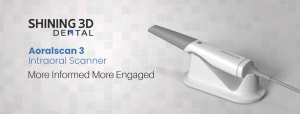
 Shinning 3D Autoscan DS EX Pro Lab Scanner
 E2 | E3 | E4 Red Generation Lab Scanners
 3shape F8 Lab Scanner
Disclaimer
This article is for general information. Product specifications and features change with the manufacturer — confirm details with our team before you buy. Full disclaimer