

Introduction — Why the Shift is Happening
Dental 3D printing is moving from “nice to have” to “standard of care” because it compresses the entire restorative pipeline—scan, design, manufacture—into a faster, more predictable loop. By replacing multiple analog steps with additive manufacturing in dentistry, clinicians and labs cut variables that typically cause remakes: impression distortion, stone expansion, wax-up inconsistencies, and shipping delays. The result is a tighter fit, better margins, and repeatable quality across cases.
In practical terms, 3D printing in dentistry pairs intraoral scanning with CAD to produce accurate try-ins, surgical guides, and 3D printing dental models within hours, not days. Provisionals and mock-ups are delivered chairside, patient communication improves, and adjustments are data-driven rather than guesswork. For labs, digital dental manufacturing unlocks parallel production—printing multiple units overnight with consistent parameters—so turnaround speeds up without sacrificing precision.
Patient experience improves, too: fewer appointments, shorter chairtime, and clearer expectations thanks to printed prototypes. As printable materials advance, dental restorations 3D printed—including long-term provisionals and emerging 3D printed dental crowns—offer reliable strength and esthetics with streamlined finishing. Together, clinic–lab alignment, predictable fit, and rapid iteration explain why dental 3D printing is quickly taking over restorative workflows.


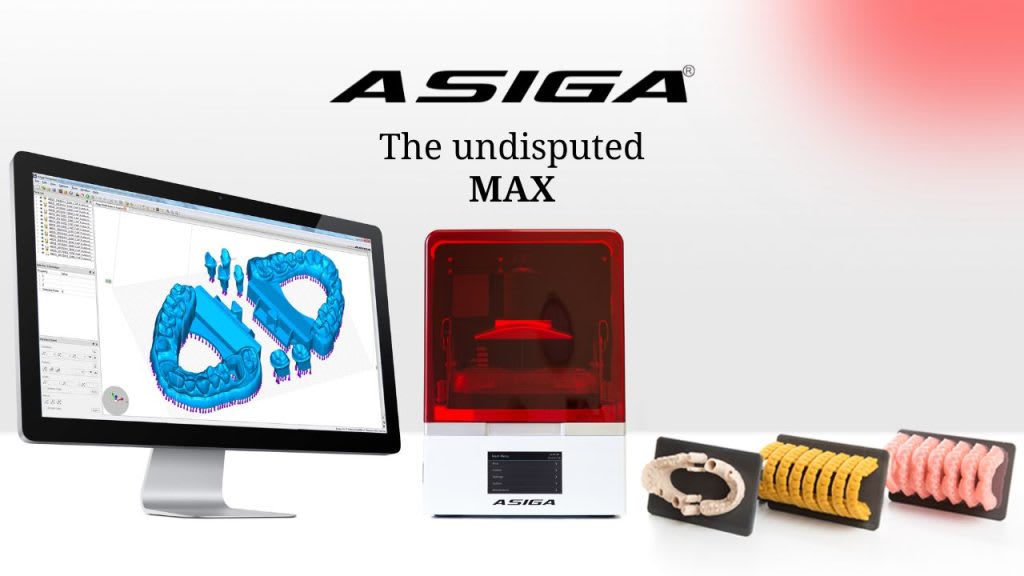 Asiga Max 3D Printer
 Shining 3D AccuFab-L4K 3D Printer
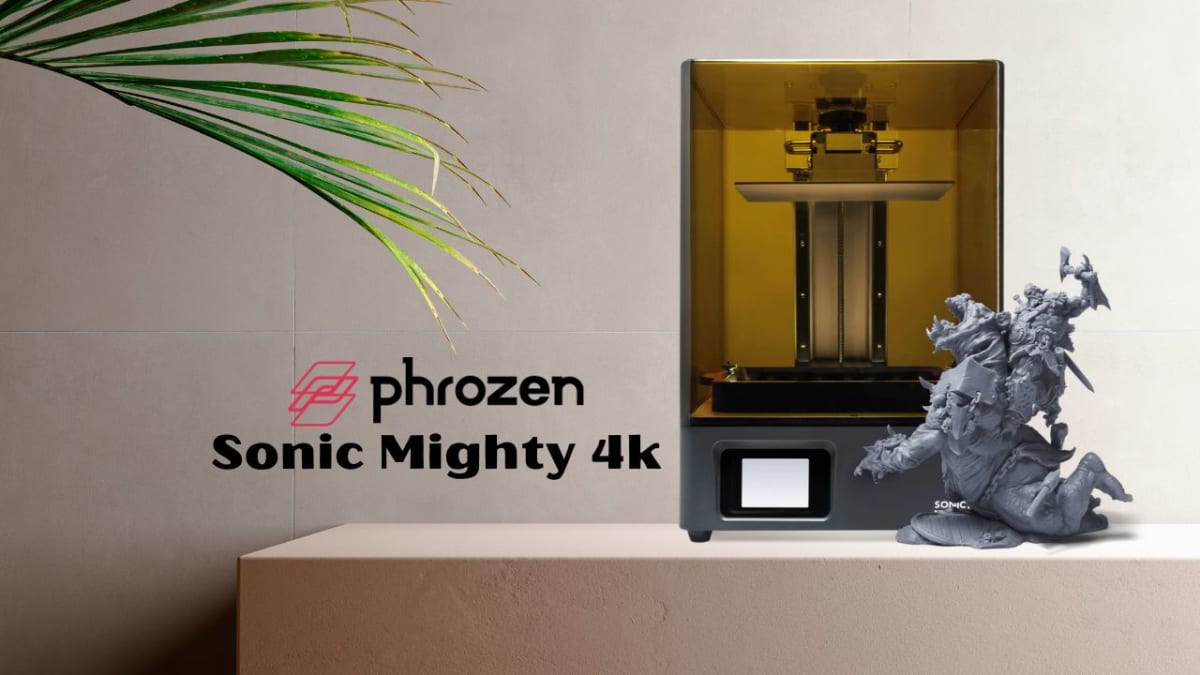 Phrozen Mighty 4K 3D Printer
 Elegoo Saturn 3 3D Printer
Disclaimer
This article is for general information. Product specifications and features change with the manufacturer — confirm details with our team before you buy. Full disclaimer