
On this page
The Evolution of the Digital Dental Laboratory
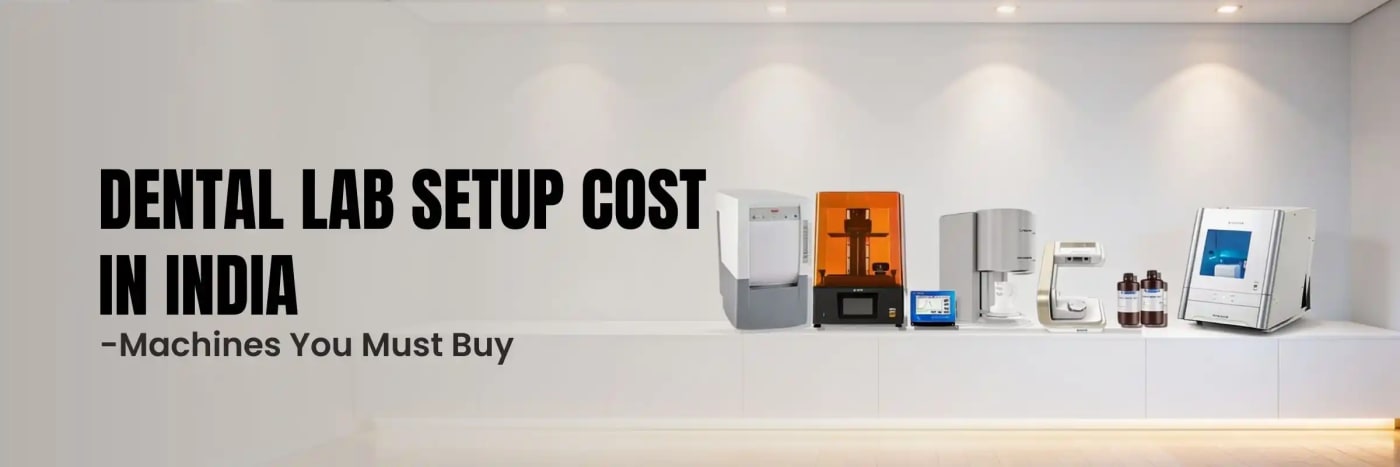
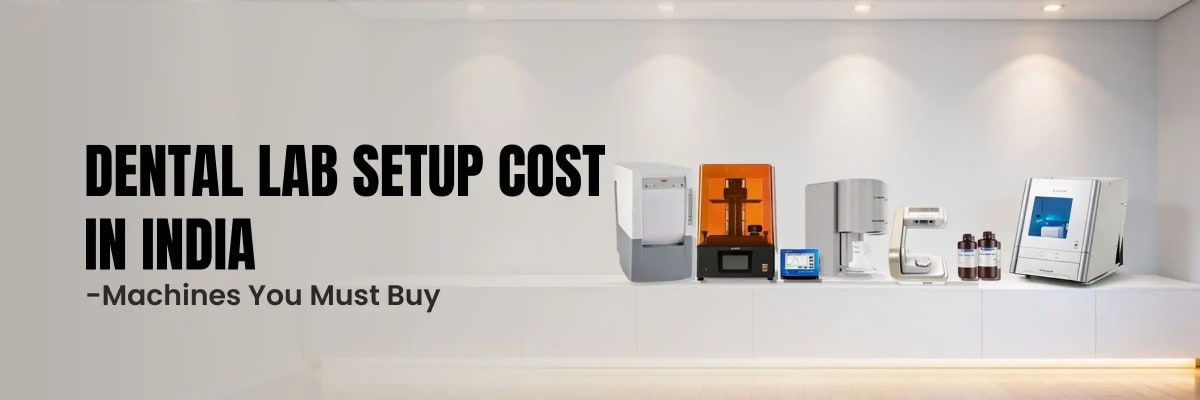
The dental lab industry in India is undergoing a radical shift, moving away from traditional hand-casting toward a high-speed, digital-first model. In 2026, setting up a lab is no longer just about buying plaster and porcelain; it’s about investing in a precision manufacturing ecosystem. Understanding the dental lab setup cost is the first step toward building a business that can handle the modern demand for zirconia and 3D-printed appliances. This section introduces how the right dental lab equipment serves as the backbone of your production, ensuring you can deliver consistent, high-quality restorations to a growing network of tech-savvy dentists.
In this new era, your lab’s reputation hinges on speed and “micrometer accuracy.” Dentists are moving away from traditional impressions, sending you intraoral scans that demand a digital response. By embracing a digital workflow, you eliminate the mess of stone models and the unpredictability of manual casting. You aren’t just opening a workspace; you are establishing a “Center of Excellence” where high-tech hardware takes over the heavy lifting, allowing your technical staff to focus on the high-end aesthetic staining and finishing that truly sets your lab apart.
The Financial Roadmap: Tiered Investment for New Labs
Navigating the dental lab setup cost requires a clear financial strategy, as the investment can range from ₹15 Lakhs for a basic setup to over ₹60 Lakhs for a fully automated center. A mid-tier lab typically focuses on a high-speed milling unit and a professional 3D printer, which allows for a wide range of services from single crowns to surgical guides. This section breaks down these budget tiers, helping you identify where to allocate your capital for maximum impact. By balancing your initial capex with reliable dental lab equipment, you can ensure your lab is profitable from Year 1 without compromising on the quality of your output.
For a mid-sized urban lab in India, the “sweet spot” usually lands between ₹25 Lakhs and ₹35 Lakhs. This allows you to invest in a high-grade 5-axis mill and a high-resolution 3D printer. While it’s tempting to look for the lowest sticker price, the real math involves the “cost-per-unit.” Investing in more efficient machines reduces material waste (especially in zirconia blocks) and slashes your labor costs. Think of your setup as an engine: a better engine might cost more upfront, but it gets you further on less fuel and with fewer breakdowns.
The Milling Powerhouse: Choosing Your CAD/CAM Setup
The most significant portion of your dental lab setup cost will inevitably be your CAD/CAM system. A 5-axis dental lab equipment staple is essential for dry milling zirconia with absolute marginal accuracy. In 2026, the ability to mill 24/7 with automatic disc changers is a game-changer for lab efficiency. This section explores why the milling machine is the heart of your lab, explaining how the combination of high-torque spindles and intelligent software reduces manual labor and virtually eliminates the risk of remakes, making it the highest-ROI machine on your floor.
A 5-axis mill provides the freedom to reach difficult undercuts and complex geometries that 3-axis or 4-axis systems simply can’t touch. This translates to sharper margins and a “snap-fit” for your crowns, which is exactly what your dentists want. By choosing a system with high-speed spindles (often 60,000 to 100,000 RPM), you ensure that even the finest occlusal details are captured. Moreover, automated tool changers mean the machine can work through the night, effectively doubling your daily production capacity while you sleep.
Additive Precision: The Role of 3D Printing in 2026
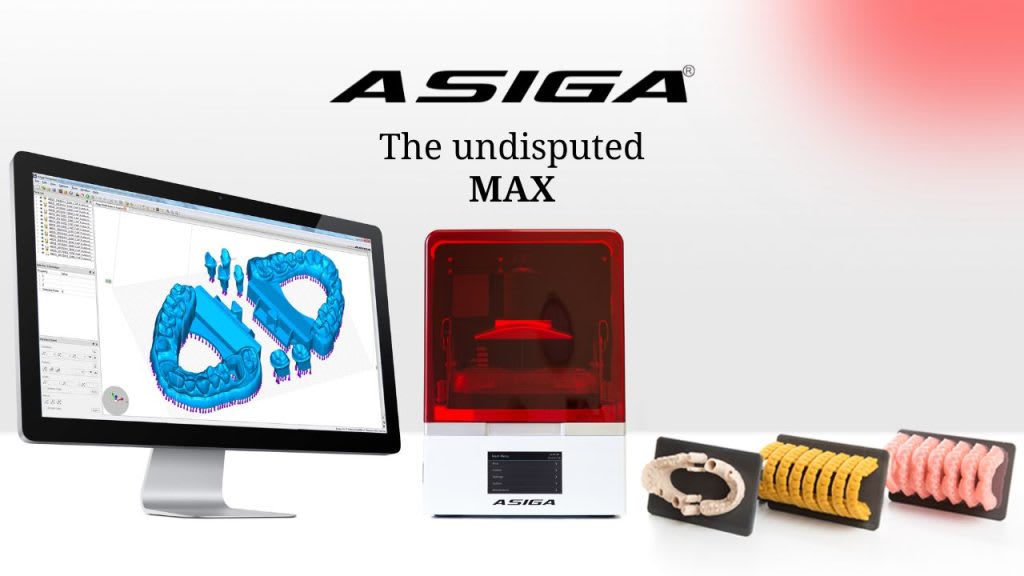 Asiga Max 3D Printer
 Shining 3D AccuFab-L4K 3D Printer
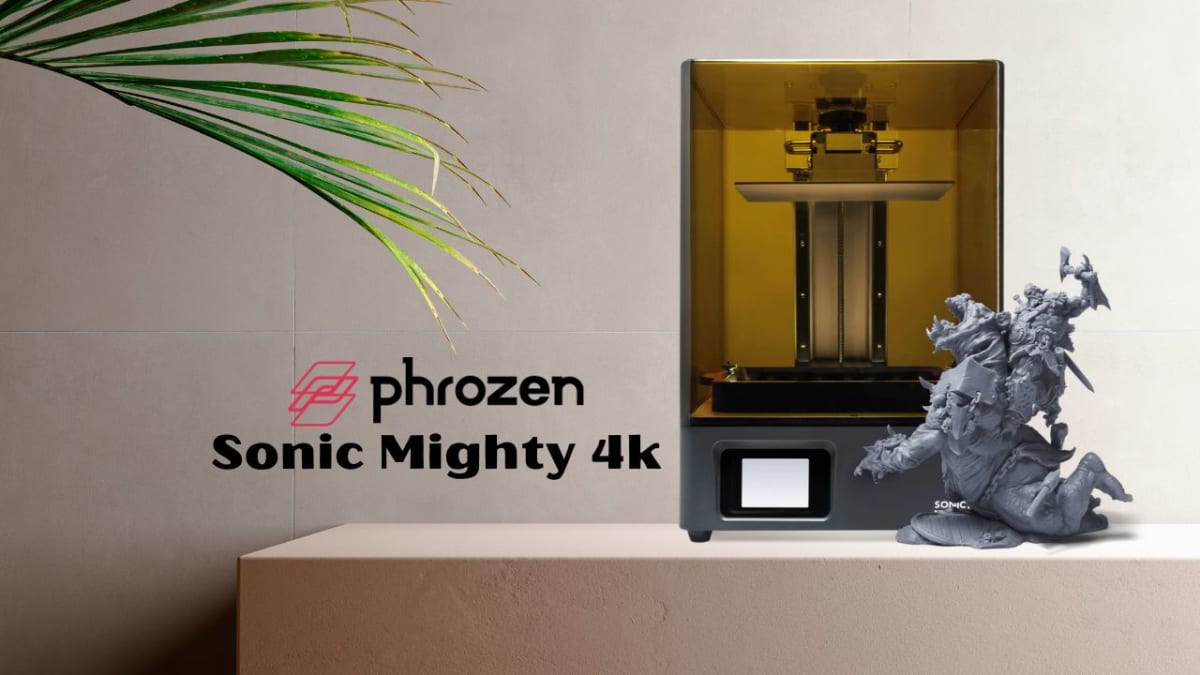 Phrozen Mighty 4K 3D Printer
 Elegoo Saturn 3 3D Printer
Disclaimer
This article is for general information. Product specifications and features change with the manufacturer — confirm details with our team before you buy. Full disclaimer