
Introduction: Revolutionizing Dentistry Through 3D Printing
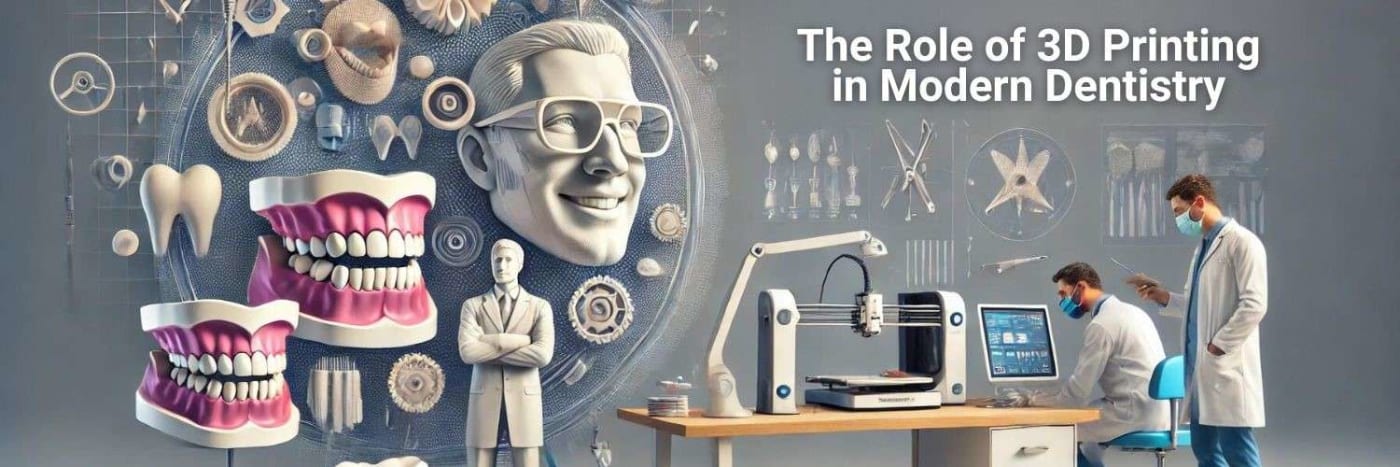
3D printing has rapidly become a cornerstone in the evolution of dental practices, offering unprecedented precision and efficiency that are transforming the field. This innovative technology, also known as additive manufacturing, allows dental professionals to create complex dental structures directly from digital models, revolutionizing traditional methodologies and workflows. The integration of 3D printing into dentistry has not only streamlined the fabrication of dental prosthetics and implants but has also significantly improved the customization capabilities, ensuring that each patient receives treatments that are specifically tailored to their anatomical needs.
The ability to rapidly prototype and produce various dental applications on-demand has greatly reduced wait times and costs associated with dental treatments. Moreover, 3D printing supports a range of materials tailored for dental use, enabling the production of highly durable and aesthetically pleasing solutions that closely mimic natural teeth. The impact of 3D printing extends beyond just the operational aspects; it also enhances patient outcomes by improving the fit and function of dental prosthetics, thereby increasing comfort and satisfaction. As we explore further, we’ll delve into specific applications and benefits of 3D printing in modern dentistry, underscoring its vital role in advancing the field.
Essentials of 3D Printing Technology in Dentistry
3D printing in dentistry utilizes specialized technology to transform digital dental designs into tangible objects. This process involves laying down successive layers of material until a final product is formed. Two primary types of 3D printing technologies employed in dental applications are Stereolithography (SLA) and Fused Deposition Modeling (FDM).
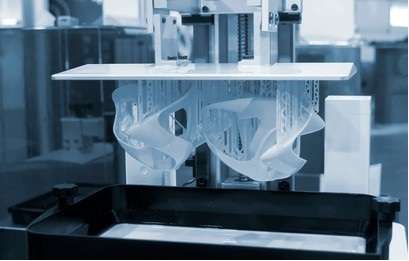
SLA works by using a laser to cure liquid resin into hardened plastic in a layer-by-layer fashion, which is particularly useful for producing high-precision and smooth-surfaced objects such as dental models and clear aligners. This technology is renowned for its accuracy, making it ideal for intricate dental applications that demand exacting standards.
On the other hand, FDM prints objects by melting and extruding thermoplastic filament, which is then laid down layer by layer to create a 3D structure. While it is generally less precise than SLA, FDM technology offers a more cost-effective solution and is capable of using a variety of materials, making it suitable for creating durable surgical guides and other dental tools that do not require the fine detail provided by SLA.
Both technologies have significantly enhanced the capability of dental professionals to provide customized, rapid, and effective treatment solutions, aligning with the modern needs of digital dentistry. These advancements allow dentists to execute more precise implant placements, custom prosthetics, and complex restorations tailored to individual patient needs.

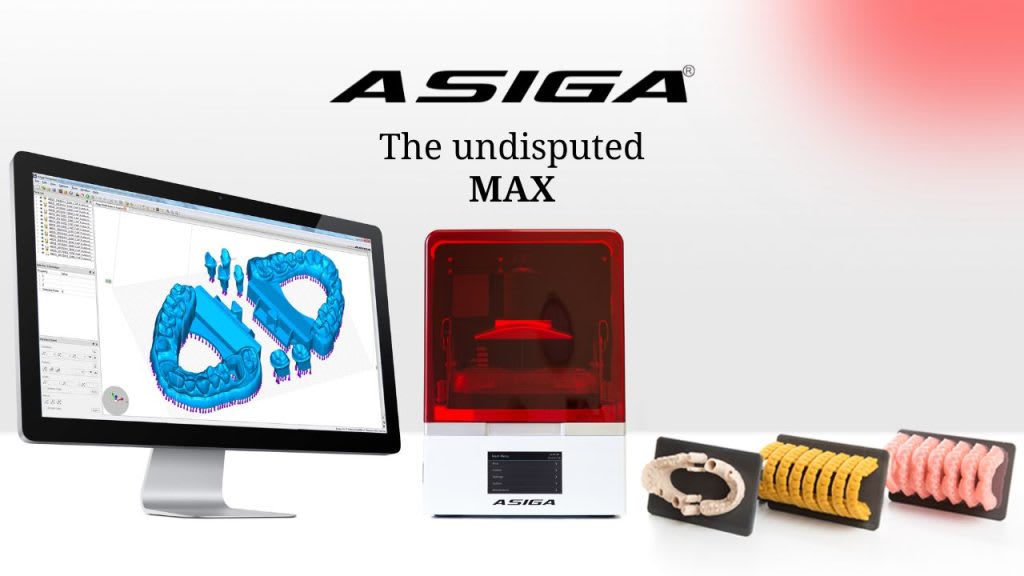 Asiga Max 3D Printer
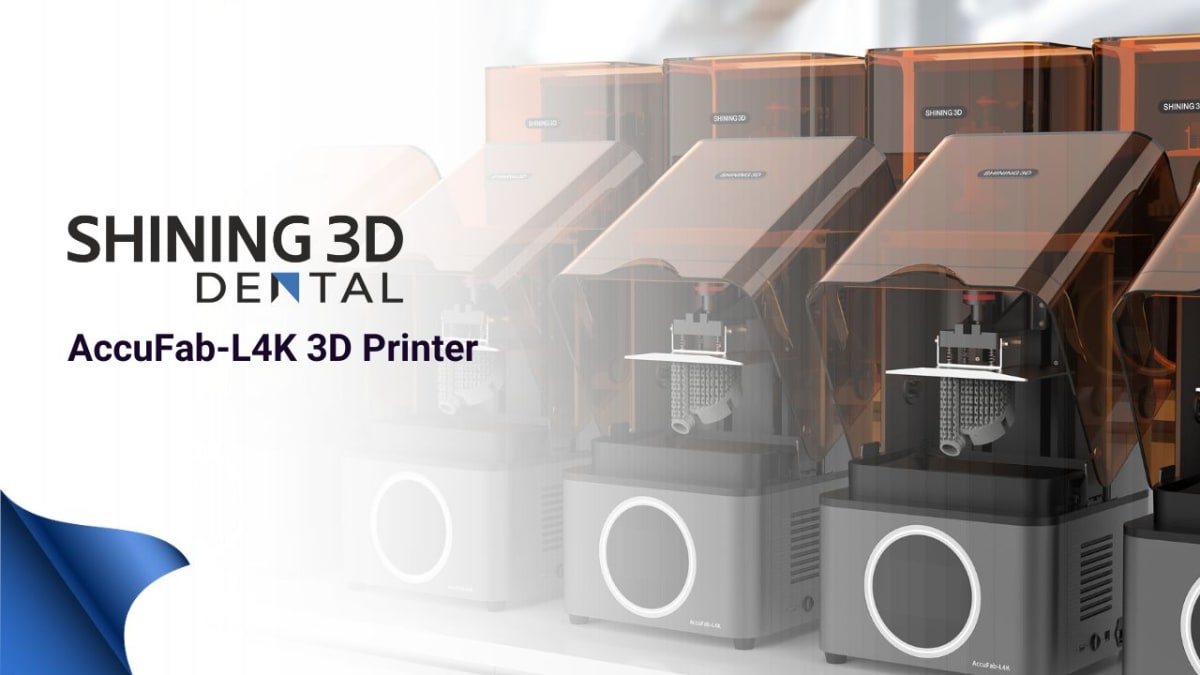
 Shining 3D AccuFab-L4K 3D Printer
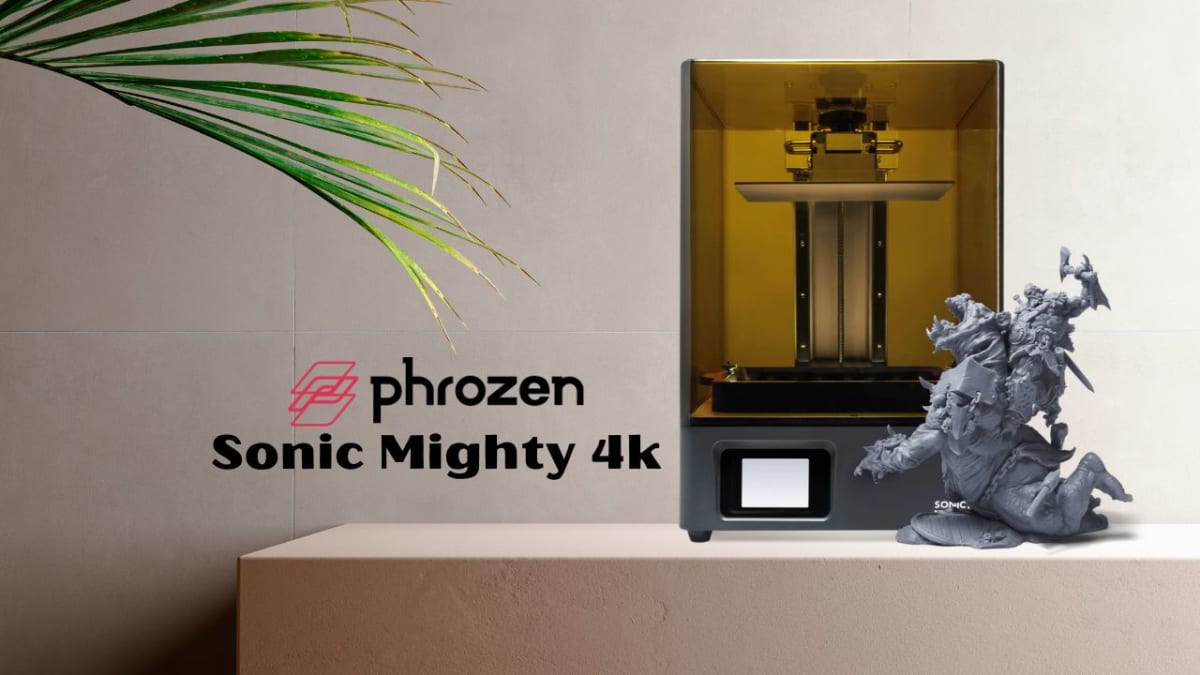 Phrozen Mighty 4K 3D Printer
 Elegoo Saturn 3 3D Printer
Disclaimer
This article is for general information. Product specifications and features change with the manufacturer — confirm details with our team before you buy. Full disclaimer