
Introduction: Understanding Sleep Apnea
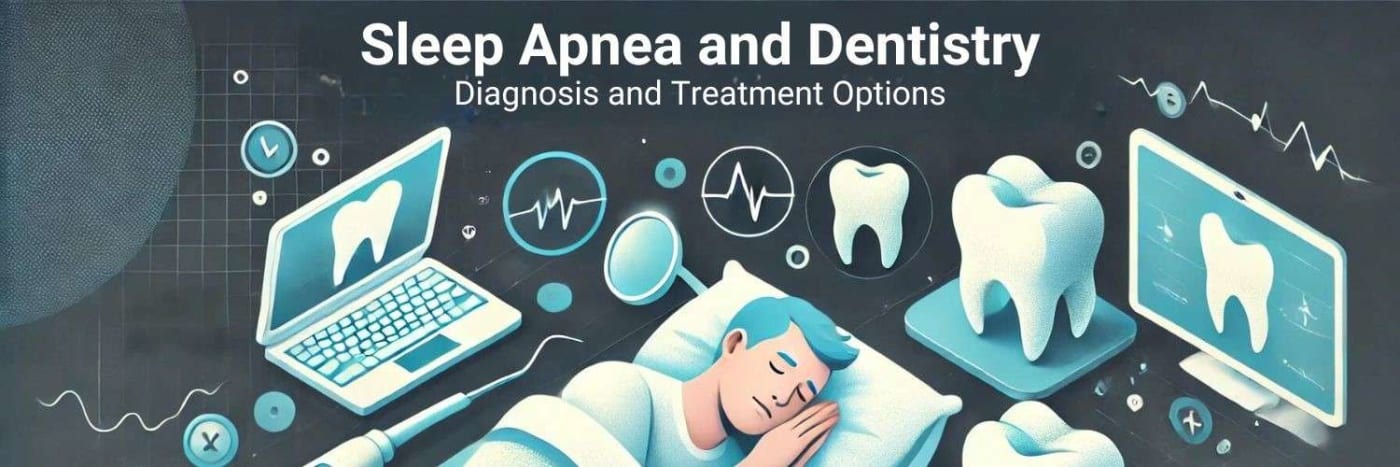
Sleep apnea is a common yet serious sleep disorder that occurs when a person’s breathing repeatedly stops and starts during sleep. There are three main types of sleep apnea: obstructive sleep apnea (OSA), central sleep apnea (CSA), and complex sleep apnea syndrome (a combination of both). Obstructive sleep apnea (OSA) is the most prevalent form, characterized by a blockage of the upper airway, often due to the relaxation of the throat muscles during sleep. This leads to pauses in breathing and often results in loud snoring or choking sounds.
OSA is a widespread condition, affecting millions of people worldwide. It can significantly impact overall health, contributing to fatigue, cardiovascular issues, and other systemic problems. However, its effects on oral and dental health are also notable, with links to problems like bruxism (teeth grinding), dry mouth, and temporomandibular joint disorders (TMD).
Given that patients may visit their dentist more frequently than other healthcare providers, dental practices are uniquely positioned to identify early signs of sleep apnea. Dentists can observe tell-tale symptoms like tooth wear from grinding or a recessed jaw that may suggest airway obstructions. Additionally, dental professionals can offer sleep apnea treatment options through the use of custom-made oral appliances, helping manage the condition effectively. With proper diagnosis and treatment, dentists can play a critical role in improving both sleep quality and overall health for individuals suffering from OSA.

Impact of Sleep Apnea on Oral and Dental Health
Sleep apnea can have a significant impact on oral health, leading to a variety of dental issues. One of the most common effects is bruxism, or teeth grinding, which often occurs in response to the interrupted breathing during sleep. Over time, bruxism can cause tooth wear, fractures, and sensitivity, all of which negatively affect the integrity of the teeth.
Another common issue associated with sleep apnea is dry mouth. The frequent pauses in breathing can cause individuals to breathe through their mouths more often, leading to a lack of saliva. This dry environment can contribute to the development of gum disease and increase the risk of tooth decay.
There is also a strong connection between sleep disorders and temporomandibular joint disorders (TMD). Individuals with sleep apnea often experience jaw pain or discomfort due to clenching and grinding their teeth at night. This strain on the jaw joints can lead to inflammation and chronic pain, further complicating oral health.
During routine dental visits, dentists are often the first to notice early signs of sleep apnea. These signs may include tooth wear, gum recession, or even a narrow airway. By identifying these symptoms, dental professionals can recommend further evaluations or treatments, helping to manage the condition before it leads to more severe health complications.


 Shinning 3D Autoscan DS EX Pro Lab Scanner
 E2 | E3 | E4 Red Generation Lab Scanners
 3shape F8 Lab Scanner
Disclaimer
This article is for general information. Product specifications and features change with the manufacturer — confirm details with our team before you buy. Full disclaimer