

Introduction: Why Porcelain Veneers Remain the Gold Standard
When it comes to fast-tracking a flawless smile, few options rival porcelain veneers. These wafer-thin ceramic shells mask stubborn stains, close black triangles, correct mild crowding, and create mirror-image symmetry in as little as two visits. High-strength feldspathic or lithium-disilicate porcelain mimics enamel’s translucency, resists everyday staining better than composite, and lasts a decade or more with proper care—earning veneers their reputation as the platinum upgrade of cosmetic dentistry.
Yet a “Hollywood smile” involves more than simply bonding on ceramics. In the pages ahead you’ll learn:
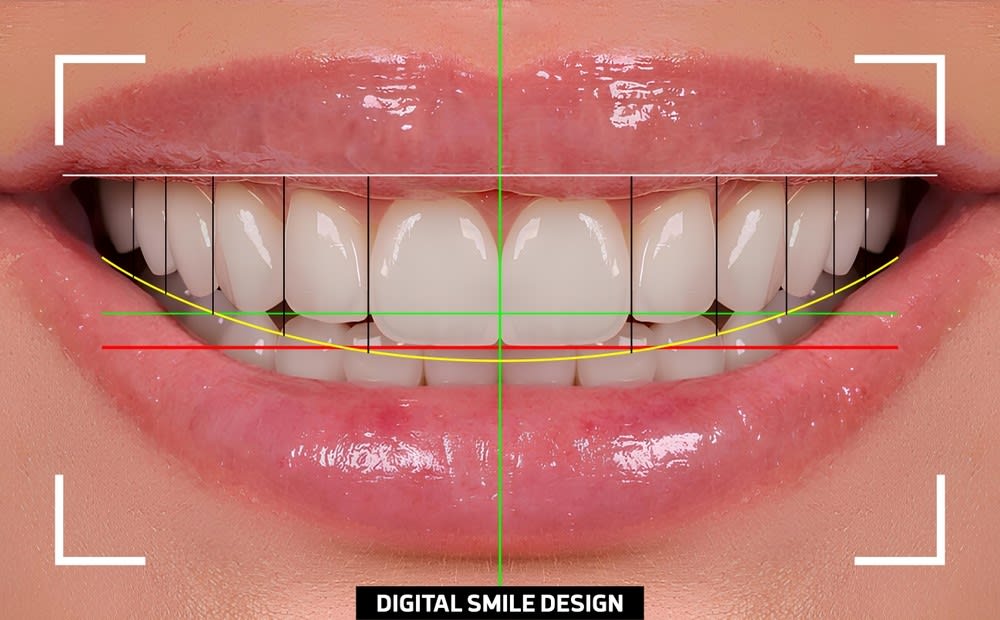
- Dental veneers process – from digital smile design and shade matching to minimal tooth preparation, precise impressions, and final light-cured bonding.
- Veneer cost variables – lab fees, dentist expertise, and geographic factors that shape the investment.
- Porcelain veneer care – low-abrasive brushing, floss techniques, and bi-annual polish visits that keep the glaze glassy and chip-free.
- Long-term expectations – durability timelines, night-guard protection for grinders, and when to plan a refresh.
- Plus, viable veneer alternatives (composite bonding, whitening, no-prep options) for readers weighing every route.
With this roadmap, you’ll move from initial curiosity to informed confidence—ready to decide whether porcelain veneers are your direct flight to a brighter, straighter, camera-ready smile.
 NSK Endo Mate DT Endo Motor
 NSK Endo Mate TC2 Endo Motor
 Woodpecker Endo Free Endomotor
 Endo Smart Endomotor
 Woodpecker DTE DPEX V Apex Locator
Disclaimer
This article is for general information. Product specifications and features change with the manufacturer — confirm details with our team before you buy. Full disclaimer