

Introduction: The Role of CBCT in Modern Dentistry
Accurate diagnosis is the foundation of effective dental treatment. Whether planning an implant, performing a root canal, or assessing jaw alignment, precise imaging is essential for achieving successful outcomes. Traditional 2D X-rays, while useful, have limitations in providing a comprehensive view of complex dental structures. This is where Cone Beam Computed Tomography (CBCT) has revolutionized modern dentistry, offering detailed 3D imaging that enhances diagnostic accuracy and treatment precision.
The Genoray Papaya 3D Plus CBCT is one of the most advanced imaging solutions available today. It provides high-resolution, full 3D scans of the oral and maxillofacial region, allowing dentists to evaluate bone structure, nerve positioning, and anatomical variations with exceptional clarity. Unlike conventional imaging, CBCT offers multi-angle visualization, helping clinicians identify hidden issues such as impacted teeth, fractures, and periapical lesions that may go unnoticed on 2D radiographs.
Beyond accuracy, CBCT technology significantly improves efficiency and workflow integration. It reduces the need for multiple scans, minimizes exploratory procedures, and enhances patient communication by allowing practitioners to visually explain diagnoses and treatment plans. With quick scan times and low radiation exposure, CBCT provides a safe, patient-friendly imaging experience.
As dental technology advances, adopting CBCT systems like the Genoray Papaya 3D Plus is no longer optional but essential. It enables precise treatment planning, improved patient outcomes, and a more streamlined diagnostic process, positioning dental practices at the forefront of modern, high-quality care.
Advantages of CBCT Over Traditional Imaging
Cone Beam Computed Tomography (CBCT) has transformed dental imaging by providing detailed 3D visualization, offering a significant advantage over traditional 2D X-rays. Unlike conventional radiographs, which capture flat images with limited depth perception, CBCT produces high-resolution, three-dimensional scans of the oral and maxillofacial region. This allows dentists to view anatomical structures from multiple angles, leading to more precise diagnoses and treatment planning.
One of the biggest benefits of CBCT is its higher diagnostic accuracy, especially in complex cases. It enables clear identification of root fractures, impacted teeth, bone density variations, sinus conditions, and nerve positioning—all of which are crucial for procedures like implant placement, endodontic treatments, and orthodontic planning. By eliminating the guesswork associated with 2D imaging, CBCT allows for more predictable and successful outcomes.
CBCT technology also enhances patient safety and procedural efficiency by reducing the need for exploratory surgeries. In cases where traditional imaging may not reveal the full extent of an issue, dentists would typically rely on invasive methods to assess the problem. CBCT minimizes this need by providing precise anatomical insights upfront, helping practitioners make well-informed clinical decisions while reducing unnecessary procedures and patient discomfort.
With its superior imaging capabilities, CBCT enhances diagnosis, improves treatment accuracy, and increases patient confidence—making it an essential tool for modern dental practices aiming to deliver high-quality, minimally invasive care.

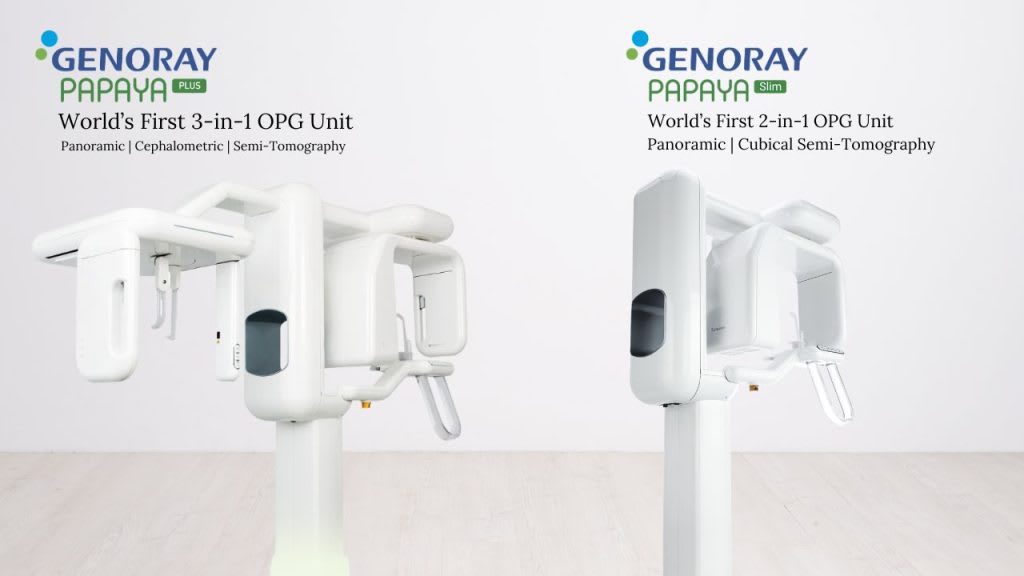 Dental OPG – GENORAY PAPAYA CUST
 Dental CBCT Machine – Genoray PAPAYA 3D PLUS
 Dental CBCT Machine – GENORAY PAPAYA 3D PREMIUM PLUS
 Genoray Port X-II
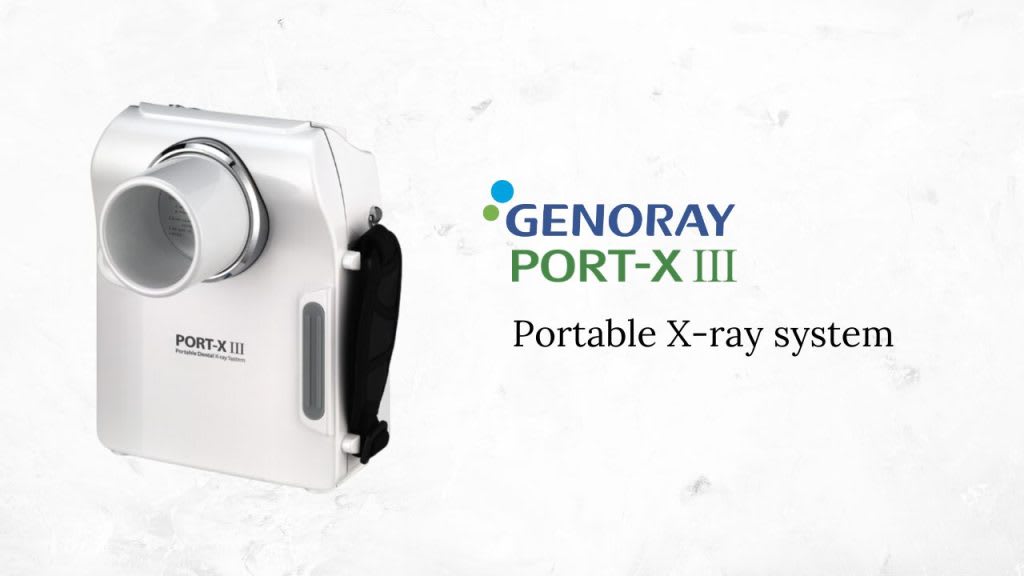 Genoray Port X-III
 Runyes Portable X-ray
 Xpect Vision Intraoral Sensor
 Carestream RVG CS 5200
 Gnatus Timex 70 E AC X-Ray Machine
Disclaimer
This article is for general information. Product specifications and features change with the manufacturer — confirm details with our team before you buy. Full disclaimer