

In the annals of dental history, diagnostics have always been the cornerstone of effective treatment. Traditionally, dental diagnostics primarily relied on manual examinations, tactile sensation using dental instruments, and two-dimensional radiographs. The conventional X-ray films, while revolutionary in their time, had their limitations. They required chemical processing, had a fixed resolution, and often necessitated retakes due to exposure errors, not to mention the storage challenges and environmental concerns associated with film disposal.
Enter the era of digital transformation. Just as digital technology has reshaped industries worldwide, dentistry too is undergoing a significant metamorphosis. The shift towards digital imaging in dentistry is not just a trend but a significant leap towards precision, efficiency, and enhanced patient care. This transition is not merely about replacing film with sensors; it’s about harnessing the power of digital technology to visualize, diagnose, and plan treatments with an accuracy and clarity previously unattainable. As we delve deeper into this topic, we’ll explore how digital imaging is not only revolutionizing dental diagnostics but also redefining the very essence of modern dental practice.
What is Digital Imaging in Dentistry?
Digital imaging, in the context of dentistry, refers to the use of advanced electronic tools and software to capture, view, store, and share dental images. Unlike traditional film-based radiographs, digital imaging captures images using sensors, instantly processes them, and displays them on a computer screen. This immediate feedback not only expedites the diagnostic process but also allows for enhanced image manipulation, ensuring a more accurate diagnosis.
What truly sets digital imaging apart is its efficiency and versatility. Gone are the days of waiting for film development or grappling with storage issues. With digital images, dental professionals can zoom in on specific areas, adjust contrast and brightness, and even use color differentiation to highlight problem areas. This level of detail is invaluable in detecting early-stage dental issues, which might be overlooked in traditional X-rays.
Several digital imaging techniques are making waves in contemporary dentistry:
– Digital Radiography (DR): This is the direct successor to traditional X-rays. Instead of film, DR uses a digital sensor to capture images, which are immediately available for viewing. There are two main types of digital radiographs: intraoral (capturing images inside the mouth) and extraoral (images taken outside the mouth, like panoramic X-rays).


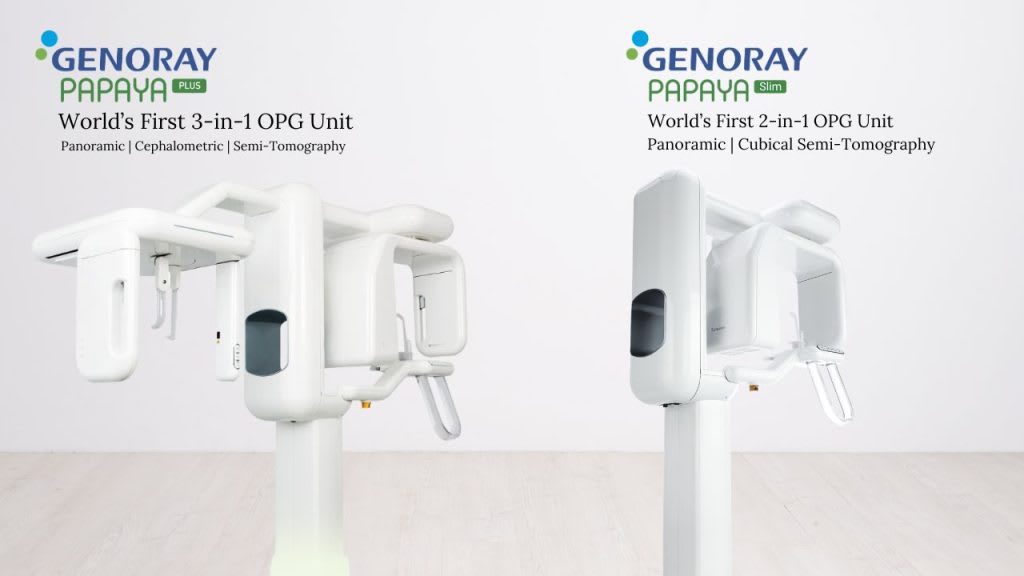 Dental OPG – GENORAY PAPAYA CUST
 Dental CBCT Machine – Genoray PAPAYA 3D PLUS
 Dental CBCT Machine – GENORAY PAPAYA 3D PREMIUM PLUS
 Genoray Port X-II
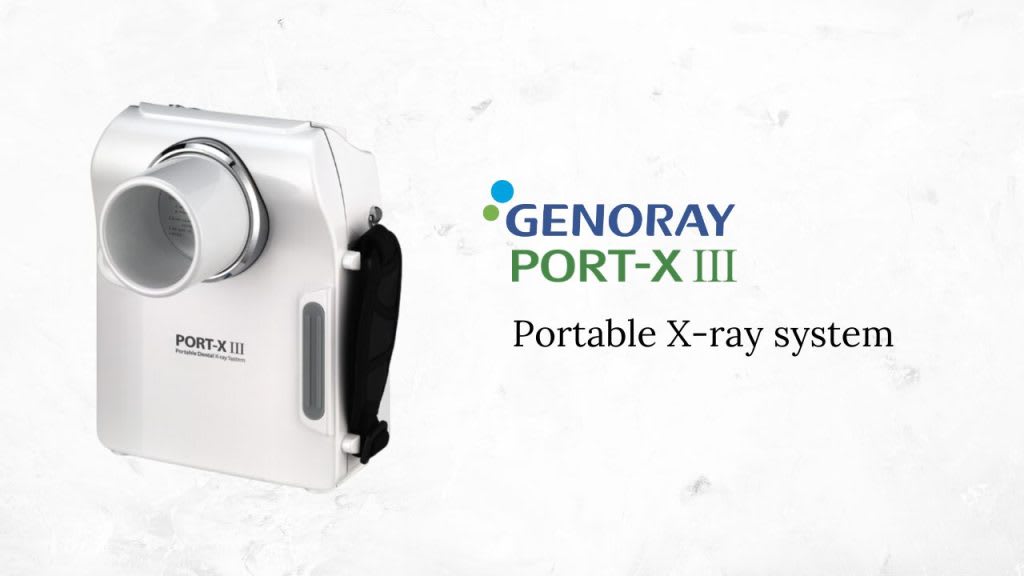 Genoray Port X-III
 Runyes Portable X-ray
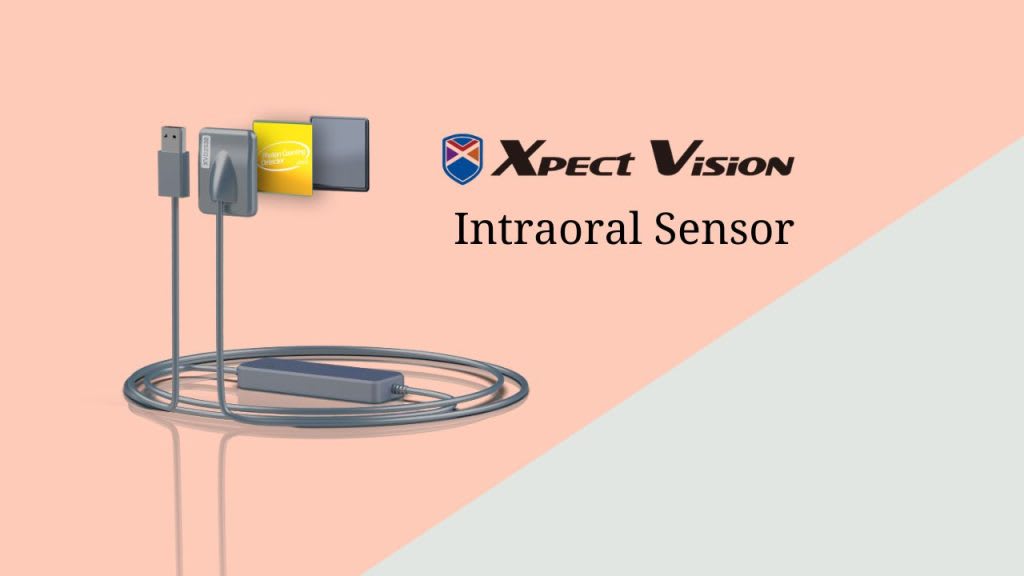 Xpect Vision Intraoral Sensor
 Carestream RVG CS 5200
 Gnatus Timex 70 E AC X-Ray Machine
 Runyes Portable Dental X-Ray Machine(Gun-Type)
Disclaimer
This article is for general information. Product specifications and features change with the manufacturer — confirm details with our team before you buy. Full disclaimer