

On this page
The Evolution of Dentistry through Digital Workflows
The rise of digital workflow solutions is revolutionizing the way dental practices operate. Traditional methods, often reliant on manual processes and paper records, are being replaced by cutting-edge dental technologies that streamline every aspect of patient care, diagnosis, and treatment planning. From digital imaging to practice management software, these advancements enable dental professionals to work more efficiently while offering enhanced patient care.
By transitioning to digital workflows, dental practices can reduce manual errors, speed up treatment times, and provide a seamless experience for patients. Technologies such as intraoral scanners, 3D imaging, and CAD/CAM systems allow for precise diagnostics and treatment planning, ensuring greater accuracy and better outcomes. Additionally, the move to paperless office solutions simplifies patient record management, making information readily accessible while reducing administrative overhead.
The adoption of digital workflow solutions is essential for improving not only operational efficiency but also patient satisfaction. By integrating these technologies, dental professionals can optimize their workflow, spend more time focusing on patient care, and ultimately enhance the overall experience. Embracing this digital transformation is crucial for dental practices aiming to stay competitive and deliver high-quality care in today’s fast-evolving healthcare landscape.

Key Digital Tools for Dental Practice Management
In today’s modern dental practice, digital tools are essential for streamlining operations and improving efficiency. Key digital solutions include dental software, patient management systems, and digital imaging technologies. These tools automate and optimize various aspects of the practice, from patient scheduling to diagnostics, allowing dental professionals to focus more on patient care.
Dental practice management software integrates multiple functions such as scheduling, billing, treatment planning, and patient records into a centralized system. This integration not only improves operational efficiency but also ensures that patient information is easily accessible to the entire dental team. Real-time updates to patient charts and scheduling reduce errors and enhance communication across the practice.
The move to a paperless dental office further enhances efficiency. Digital documentation eliminates the need for physical files, reducing clutter and making it easier to store and retrieve patient records. With digital systems, tasks such as insurance processing, patient intake, and consent forms can be completed electronically, saving time and space while also improving accuracy.
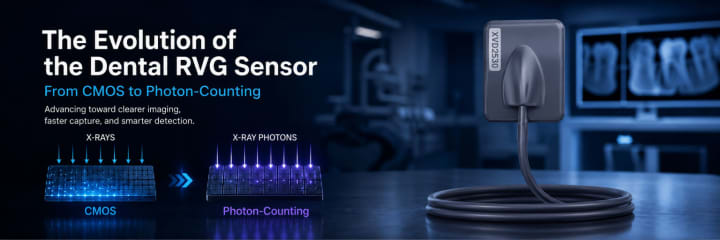
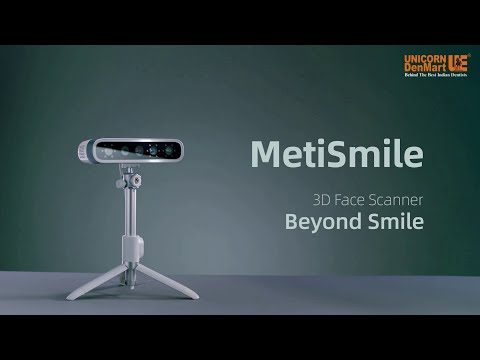
Additionally, digital imaging technologies, like intraoral scanners and 3D imaging, provide accurate and detailed images that can be easily stored and shared within the system. These tools not only improve diagnostics but also enhance patient communication, as dentists can better explain procedures with high-quality visuals.
Implementing these digital tools is key to creating a more efficient, organized, and patient-friendly dental practice.

Streamlining Dental Practices with Digital Workflows
Implementing digital workflows in dental practices can significantly enhance day-to-day operations by reducing reliance on manual processes. From patient intake to diagnosis and treatment planning, digital tools streamline various tasks, improving overall efficiency. This not only speeds up procedures but also minimizes the risk of human error, leading to better patient outcomes.
Digital workflow solutions play a key role in enhancing the efficiency of treatment planning and diagnosis. For instance, intraoral scanners can capture highly accurate digital impressions in a matter of minutes, eliminating the need for traditional, time-consuming impressions. These digital files can be immediately shared with labs for faster turnaround times on restorations. Additionally, 3D imaging tools provide comprehensive views of a patient’s oral structures, allowing for precise treatment planning and improved diagnostic capabilities.
Another benefit of digital workflows is improved patient communication. With digital images and scans, dentists can clearly explain conditions and proposed treatments, giving patients a better understanding of their oral health. This enhanced communication fosters greater trust and satisfaction, contributing to a better overall experience.
Tools like intraoral scanners and 3D imaging systems save time, improve accuracy, and allow dental professionals to focus more on patient care. By integrating these technologies, practices can boost productivity, enhance care quality, and reduce administrative burdens, making digital workflows a valuable asset for modern dentistry.


 Shinning 3D Autoscan DS EX Pro Lab Scanner
 E2 | E3 | E4 Red Generation Lab Scanners
 3shape F8 Lab Scanner
Disclaimer
This article is for general information. Product specifications and features change with the manufacturer — confirm details with our team before you buy. Full disclaimer