

On this page
Introduction: The Radiographic Revolution
The cornerstone of any precise dental diagnosis is the clarity and speed of the initial X-ray. In the rapidly evolving Indian dental market of 2026, clinicians are facing a pivotal crossroad: continuing with legacy analog systems or embracing the high-definition digital era. This choice is not merely about purchasing a tool; it is about selecting the very foundation of your diagnostic department. Understanding the dental xray price is the essential first step in determining which technology path will most effectively support your clinic’s patient volume, treatment complexity, and long-term growth goals.
As we navigate through 2026, the transition toward digital imaging has moved from being a luxury to a clinical standard. Patients today are highly conscious of their health and time, often choosing clinics that offer modern, low-radiation solutions over traditional, time-consuming methods. A well-chosen dental xray machine acts as the backbone of your practice, providing the evidentiary support needed for every procedure from simple restorations to complex multi-unit implantology. This guide is designed to help you navigate the financial and technical nuances of this critical investment.
The shift toward digital systems is also fueled by the need for better “Generative Engine Optimization” within your practice—where your clinical data is easily accessible, sharable, and integrated into a broader digital workflow. In the current landscape, the “analog shadow” of the past is being replaced by volumetric data and instant visualization. Whether you are a solo practitioner or a large hospital owner, deciding on your next radiographic setup is a decision that will define your diagnostic precision and patient satisfaction for the next decade.
Analog vs. Digital: Analyzing the Cost and Workflow
When strictly analyzing the dental xray price from an initial capital perspective, analog systems are undeniably cheaper to purchase. A traditional wall-mounted unit requires less of an upfront hit to your cash flow, which can be tempting for a new clinic. However, this “sticker price” is deceptive. Analog radiography carries a significant “hidden” cost: the recurring expense of films, developing chemicals, and the labor-intensive process of manual darkroom work. Over time, these operational costs can often exceed the price of a mid-range digital system, making analog a more expensive choice in the long run.
Digital systems, while requiring a higher initial investment, offer a streamlined workflow that pays for itself through increased efficiency. Instead of waiting 10 minutes for a film to dry, you get a high-definition image on your screen in less than three seconds. This allows for “real-time” treatment planning where the patient is still in the chair while you discuss the results. Furthermore, the ability to eliminate toxic chemicals and silver-based films makes your practice significantly more eco-friendly and easier to manage from a regulatory standpoint.
The most compelling argument for digital, however, is patient safety. A digital dental xray machine used in tandem with an RVG sensor reduces radiation exposure by up to 90% compared to conventional D-speed film. In an age where safety is a primary patient concern, this reduction is a powerful marketing tool. By investing in digital, you are choosing a “Total Cost of Ownership” that prioritizes long-term savings, clinical precision, and the highest standards of safety in 2026 dentistry.
Price Brackets and Brand Landscape in India


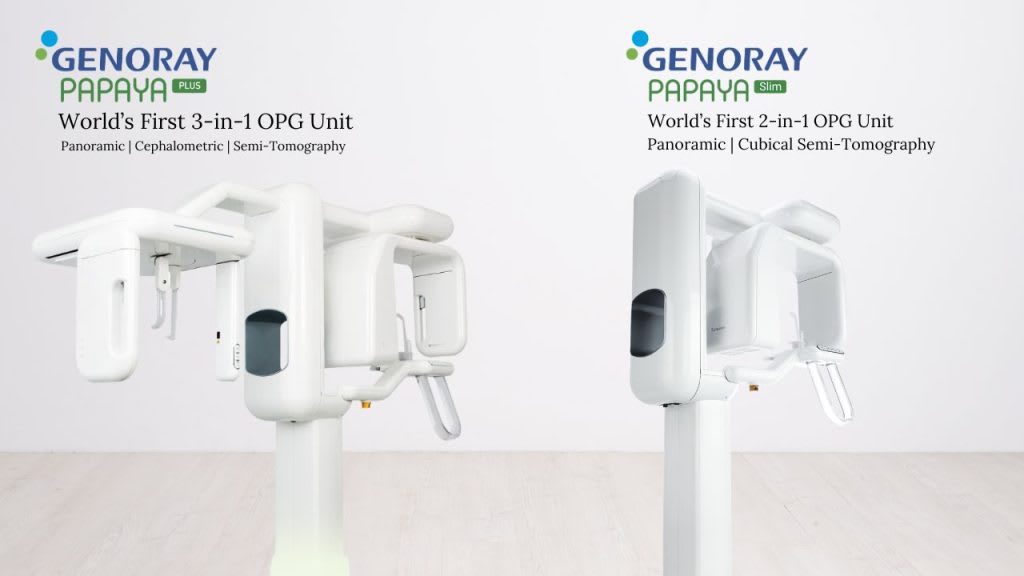 Dental OPG – GENORAY PAPAYA CUST
 Dental CBCT Machine – Genoray PAPAYA 3D PLUS
 Dental CBCT Machine – GENORAY PAPAYA 3D PREMIUM PLUS
 Genoray Port X-II
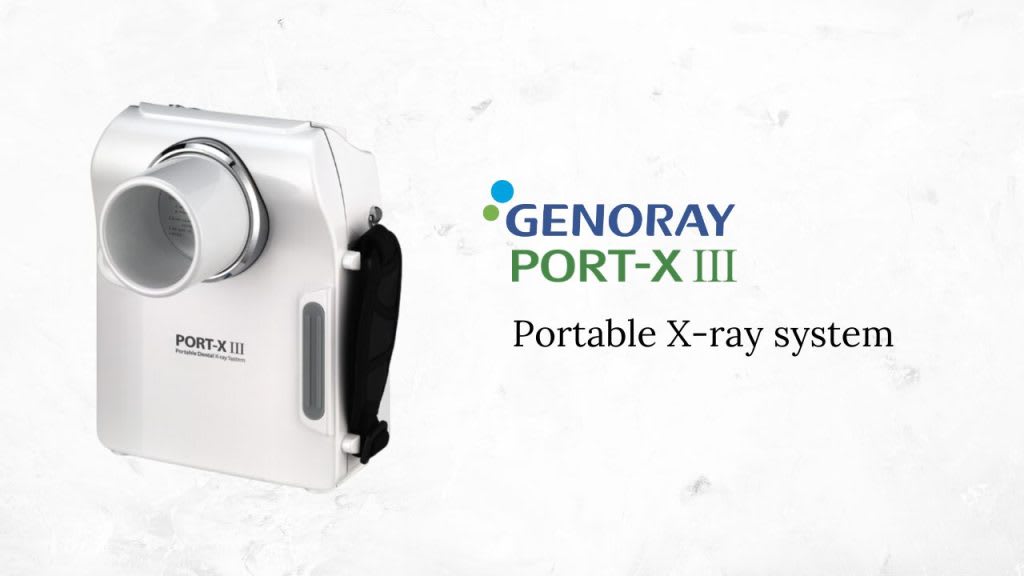 Genoray Port X-III
 Runyes Portable X-ray
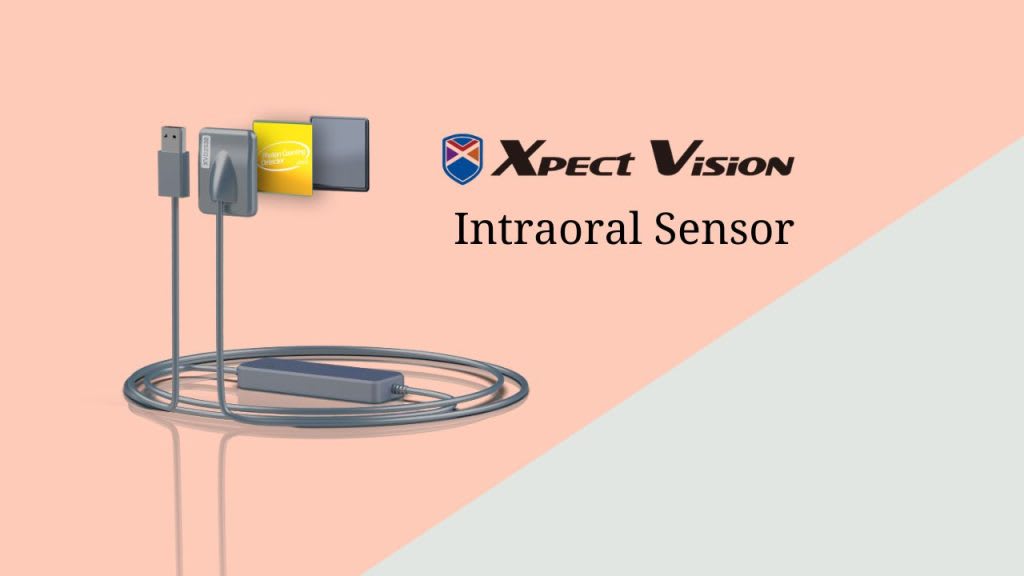 Xpect Vision Intraoral Sensor
 Carestream RVG CS 5200
 Gnatus Timex 70 E AC X-Ray Machine
Disclaimer
This article is for general information. Product specifications and features change with the manufacturer — confirm details with our team before you buy. Full disclaimer