

Restorative dentistry has long been an essential pillar of dental care, focusing on the management and rehabilitation of oral health issues to restore the mouth to a functional and aesthetic state. Traditionally, this field relied heavily on manual techniques and craftsmanship. Dentists would use molds to take impressions of the patient’s mouth, which would then be sent to a dental laboratory where technicians would manually craft restorations such as crowns, bridges, and dentures. This process was not only time-consuming but also prone to human error, leading to potential inaccuracies and multiple visits for adjustments.
Enter the world of technology, and the landscape of restorative dentistry is undergoing a radical transformation. The integration of CAD/CAM (Computer-Aided Design and Computer-Aided Manufacturing) systems has revolutionized the way dental restorations are designed and produced. No longer reliant on physical molds and manual crafting, CAD/CAM technology allows for digital impressions and precision milling of restorations, often within the same dental visit. This shift not only enhances accuracy and efficiency but also significantly improves the patient experience, reducing wait times and the need for multiple appointments.
The embrace of CAD/CAM in dentistry signifies a broader trend of technological integration in healthcare. As we delve deeper into this topic, we’ll explore how this technology is reshaping restorative dentistry, making procedures quicker, more accurate, and ultimately, more patient-friendly. The future of dental care is here, and it’s digital.
CAD/CAM in Dentistry: What is it?
In the realm of modern dentistry, CAD/CAM Technology stands as a testament to the incredible strides made in integrating digital solutions into healthcare. But what exactly is CAD/CAM, and how does it function within the dental sphere?
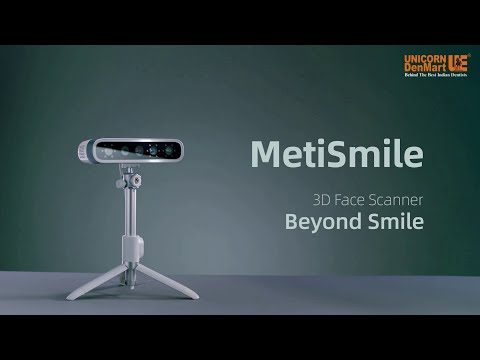
CAD, or Computer-Aided Design, is the use of computer software to create detailed 3D digital models of the patient’s mouth. Instead of the traditional method of taking physical impressions, which can be uncomfortable for the patient and may require retakes, digital scanners capture precise images of the teeth and gums. These images are then rendered into a digital model, which can be manipulated and adjusted with great accuracy.
CAM, or Computer-Aided Manufacturing, takes the digital model from the CAD process and brings it to life. Using sophisticated milling or 3D printing machines, the exact design is crafted into a tangible dental restoration. Whether it’s a crown, bridge, veneer, or even some types of orthodontic devices, CAM can produce it with a level of precision that manual methods might struggle to achieve.
The beauty of CAD/CAM technology lies in its versatility. From simple fillings to more complex restorative procedures like inlays, onlays, and full crowns, CAD/CAM has a role to play. Even dental implants, which require extreme precision, can benefit from this technology, ensuring that the implant fits perfectly with the patient’s anatomy.




 Shinning 3D Autoscan DS EX Pro Lab Scanner
 E2 | E3 | E4 Red Generation Lab Scanners
 3shape F8 Lab Scanner
Disclaimer
This article is for general information. Product specifications and features change with the manufacturer — confirm details with our team before you buy. Full disclaimer