
Introduction: Restoring Smiles with Dental Bridges
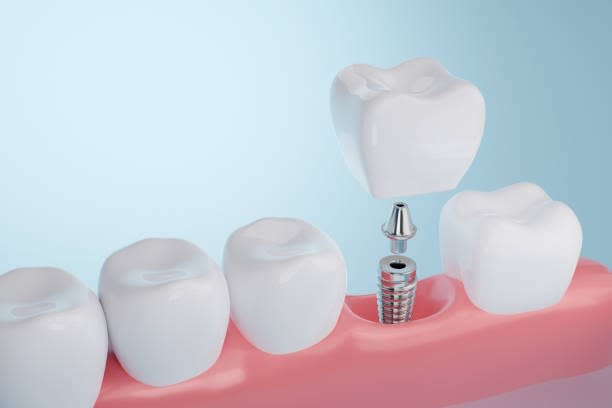
Missing teeth can impact more than just your smile—they can affect your ability to chew, speak clearly, and maintain proper bite alignment. Dental bridges are a time-tested solution designed to fill the gap left by one or more missing teeth, restoring both function and aesthetics. By anchoring an artificial tooth (or teeth) to adjacent natural teeth or dental implants, bridges offer a fixed, reliable way to bring back a full and confident smile.
In addition to improving appearance, dental bridges help maintain facial structure, prevent remaining teeth from shifting, and support clearer speech and comfortable eating. For many patients, bridges offer a convenient and less invasive alternative to surgery while delivering long-lasting results.
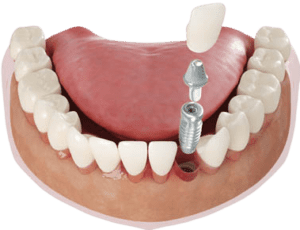
With advancements in materials and techniques, there are now various types of dental bridges, including traditional bridges, cantilever bridges, Maryland bridges, implant-supported bridges, and full arch bridges. Each type is suited for specific clinical situations and patient needs.
In this blog, we’ll break down the most common bridge types and explore how they compare with dental bridge alternatives like implants or removable dentures. Whether you’re considering a zirconia bridge for its aesthetics or weighing the pros and cons of bridge vs implant, this guide will help you make an informed decision toward restoring your oral health and confidence.

 NSK Endo Mate DT Endo Motor
 NSK Endo Mate TC2 Endo Motor
 Woodpecker Endo Free Endomotor
 Endo Smart Endomotor
 Woodpecker DTE DPEX V Apex Locator
Disclaimer
This article is for general information. Product specifications and features change with the manufacturer — confirm details with our team before you buy. Full disclaimer