

Introduction: The Importance of Choosing the Right Crown
Dental crowns play a vital role in modern restorative dentistry, offering protection and reinforcement for damaged, decayed, or root canal-treated teeth. More than just a structural solution, crowns also restore the natural appearance, shape, and function of a tooth—allowing patients to chew comfortably, speak clearly, and smile with confidence.
However, not all crowns are created equal. The type of dental crown chosen can significantly impact a patient’s experience in terms of durability, aesthetics, cost, and long-term performance. With several materials available—ranging from traditional metal crowns to advanced zirconia and porcelain options—understanding the strengths and limitations of each is essential for making the right decision.
For instance, some crowns offer exceptional crown strength for back teeth that endure high biting forces, while others excel in crown aesthetics and are ideal for visible front teeth. Additionally, factors such as gum sensitivity, bite alignment, and personal preferences all play a role in selecting the most suitable crown.
This blog will explore the most common materials used in crowns, including zirconia crowns, porcelain crowns, ceramic vs PFM crowns, and modern CAD/CAM crown options. Whether you’re a patient seeking clarity or a dentist guiding treatment, understanding these choices will help ensure the best crown material is selected—balancing both form and function for lasting success.


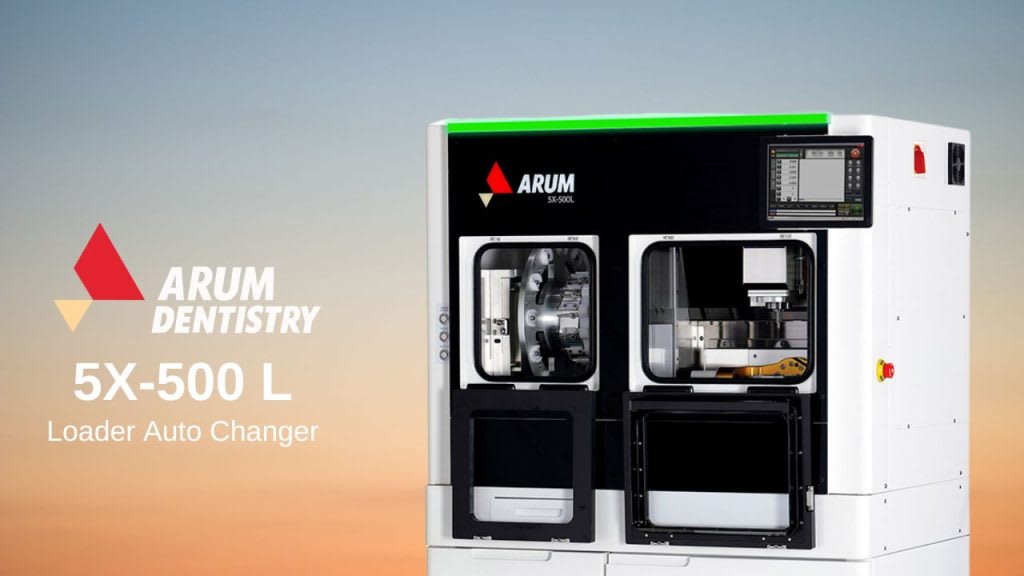 Arum 5x-500 L Dental Milling Machine
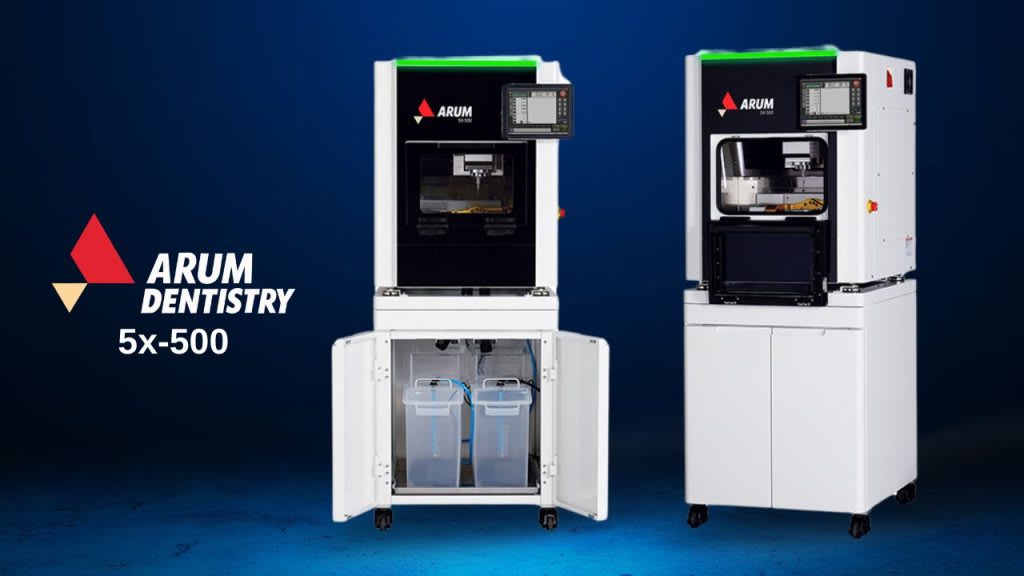 Arum 5x-500 Dental Milling Machine
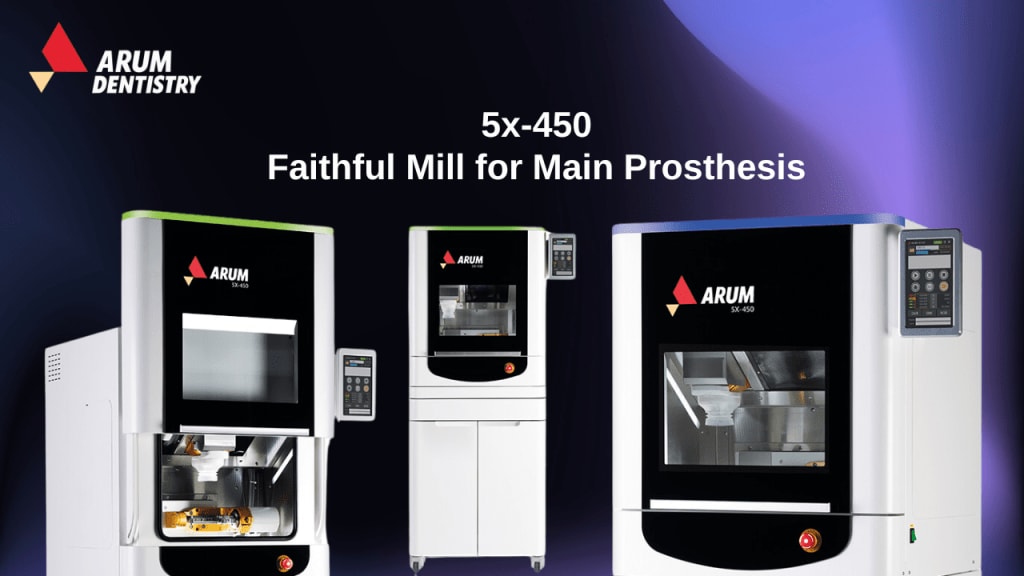 Arum 5x-450 Dental Milling Machine
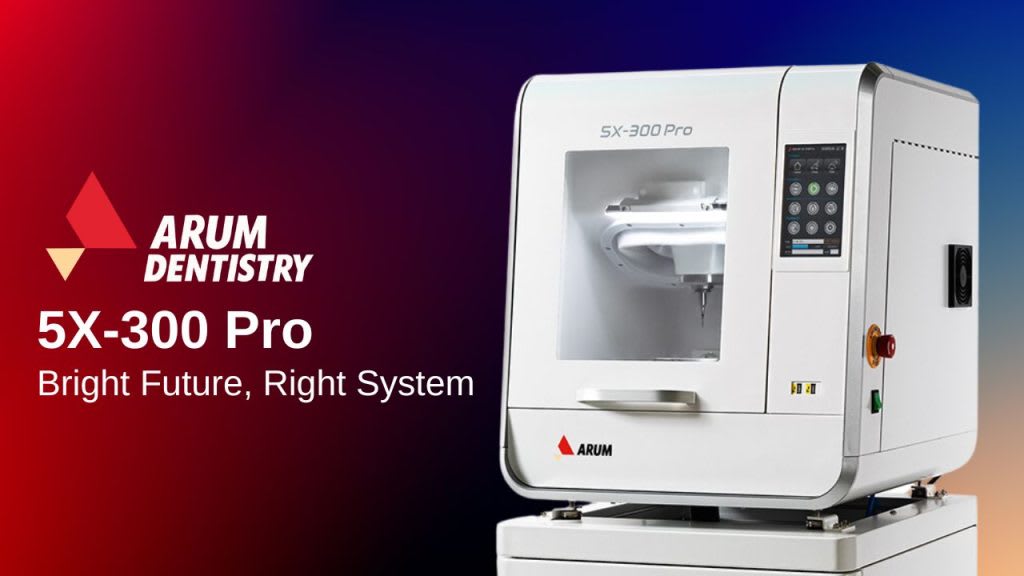 Arum 5x-300 Pro Dental Milling Machine
 Arum 5x-200 Dental Milling Machine
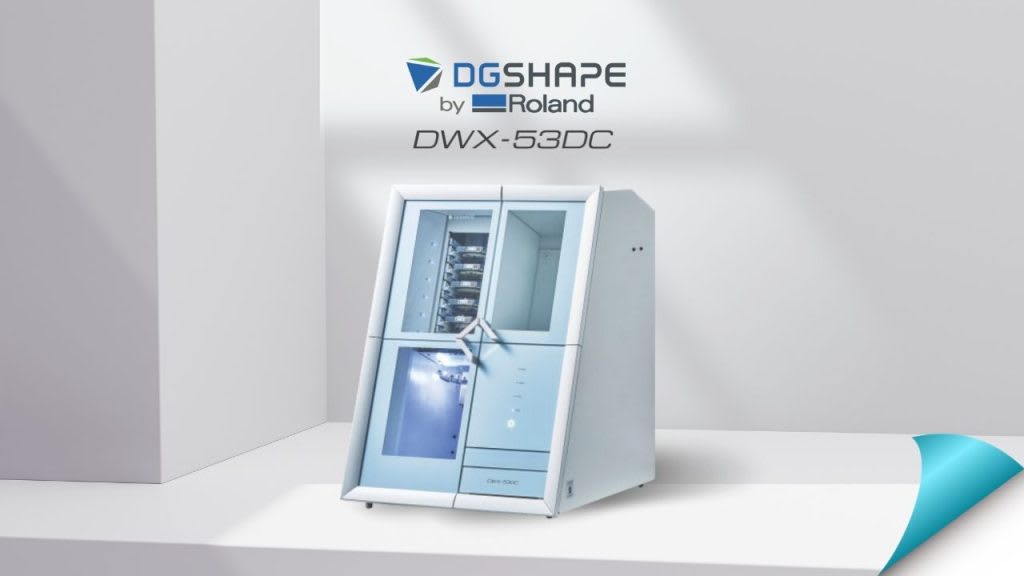 Roland DWX-53 DC Dental Milling Machine
 Roland DWX-53 DC Dental Milling Machine
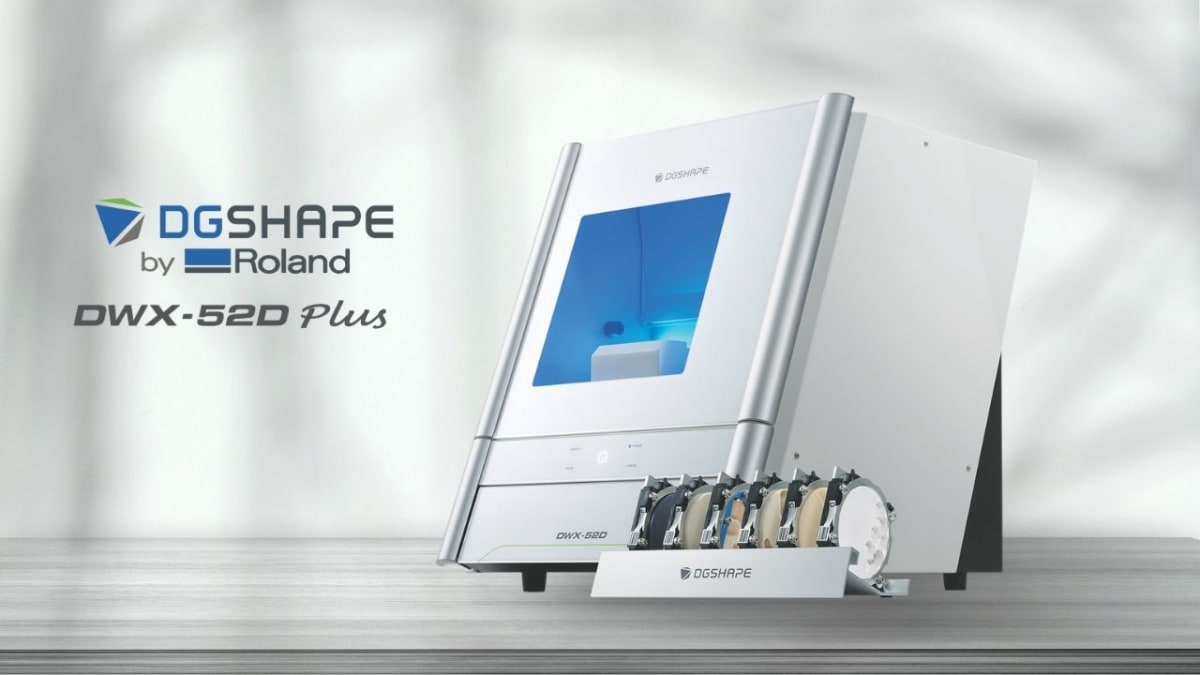
- Roland DWX-52D Plus Dental Milling Machine
- Roland DWX-52D Plus Dental Milling Machine
Disclaimer
This article is for general information. Product specifications and features change with the manufacturer — confirm details with our team before you buy. Full disclaimer