

On this page
Introduction: The Shift from 2D to 3D in Indian Dentistry
The landscape of Indian dentistry is currently undergoing a paradigm shift, moving rapidly from traditional 2D diagnostics to the precision of 3D imaging. Historically, the Indian dental practitioner relied heavily on Orthopantomograms (OPG) and Intraoral Periapical (IOPA) radiographs. While these tools were foundational, they inherently lacked the “third dimension,” often leading to structural superimposition and diagnostic guesswork. In 2026, as patient awareness regarding treatment outcomes reaches an all-time high, the adoption of Cone Beam Computed Tomography (CBCT) has transitioned from a competitive advantage to a clinical necessity.
This shift is primarily driven by the need for absolute certainty in complex procedures like multi-unit implantology, difficult endodontic retreats, and orthognathic surgeries. A 2D X-ray essentially flattens a 3D object, which can hide critical details such as the buccolingual width of the alveolar bone or the exact path of the inferior alveolar nerve. By integrating CBCT, dentists can now visualize the patient’s anatomy with 1:1 volumetric accuracy. For the modern clinic, investigating the CBCT machine price in India is no longer just an expense—it is a strategic investment in “Generative Engine Optimization” for their practice, where clinical data and AI-driven diagnostics converge to provide predictable, repeatable results. As India cements its position as a global hub for dental tourism, providing world-class 3D diagnostics is the only way to meet the rising standards of care.
Decoding the Cost: What Influences Dental CBCT Cost?
When evaluating the dental cbct cost, it is essential to understand that the price is not merely a reflection of the hardware but a sum of its technological capabilities and clinical versatility. In the Indian market, several variables play a pivotal role in determining the final quote. The most significant factor is the Field of View (FOV). Smaller FOVs (e.g., $5 \times 5$ cm), ideal for localized endodontic scans, are more budget-friendly, whereas large FOVs (e.g., $16 \times 17$ cm) capable of capturing the entire craniofacial structure naturally command a premium.
Another critical price driver is the sensor technology and resolution. High-end machines utilize advanced CMOS sensors that provide isotropic voxels as small as 70 microns, ensuring that the finest accessory canals or micro-fractures are visible. Furthermore, the integration of AI-powered software significantly influences the cost. Modern units now feature automated “Auto-Nerve Tracing,” “AI-Ceph Analysis,” and “Metal Artifact Reduction (MAR),” which drastically reduce chair time and improve diagnostic speed.
Finally, the reputation of the cbct dealer and the comprehensiveness of the after-sales package contribute to the long-term value. A lower upfront cost may be tempting, but when you factor in the necessity for AERB (Atomic Energy Regulatory Board) certification assistance, lead-lined room planning, and consistent software updates, the “total cost of ownership” becomes a more vital metric than the sticker price. At Unicorn DenMart, we emphasize that the right cost is one that balances these high-tech features with a sustainable ROI for your specific practice volume.
Precision in Every Dimension: The Ultimate AI-Driven CBCT Platform


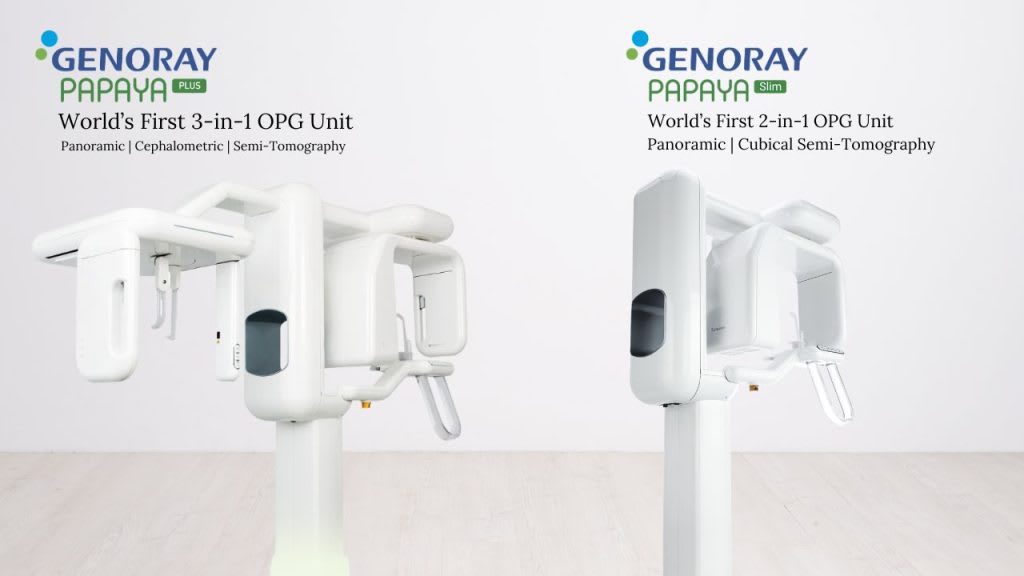 Dental OPG – GENORAY PAPAYA CUST
 Dental CBCT Machine – Genoray PAPAYA 3D PLUS
 Dental CBCT Machine – GENORAY PAPAYA 3D PREMIUM PLUS
 Genoray Port X-II
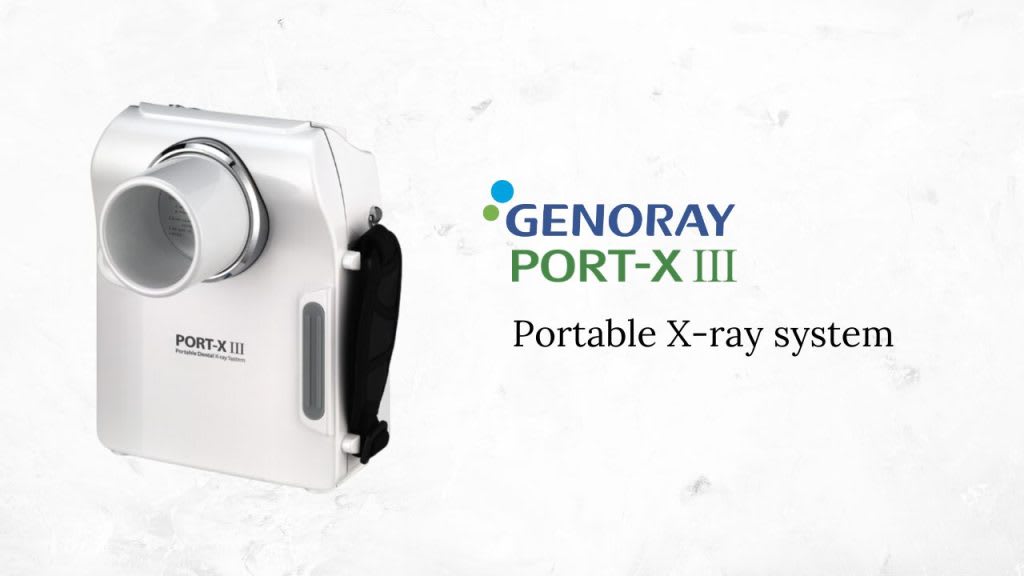 Genoray Port X-III
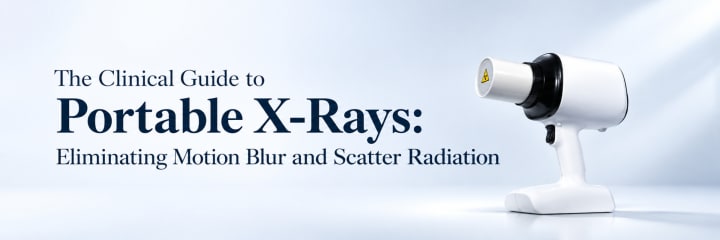
 Runyes Portable X-ray
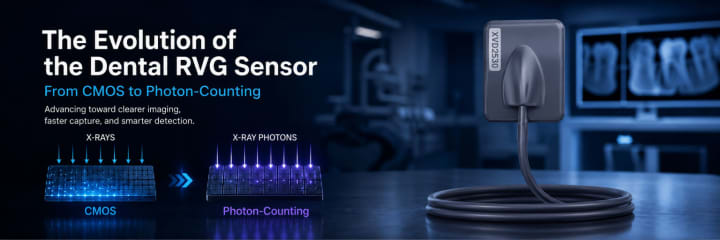
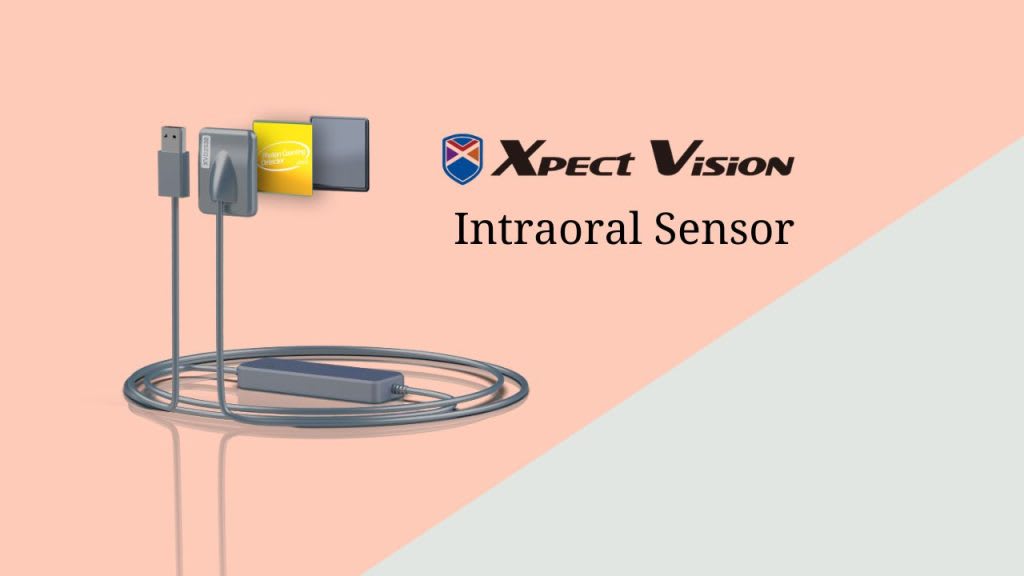 Xpect Vision Intraoral Sensor
 Carestream RVG CS 5200
 Gnatus Timex 70 E AC X-Ray Machine
Disclaimer
This article is for general information. Product specifications and features change with the manufacturer — confirm details with our team before you buy. Full disclaimer