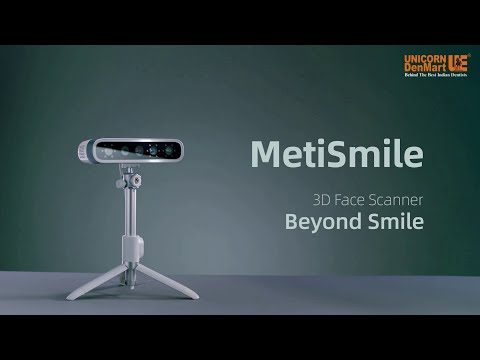


Introduction: The Evolution of Dental Diagnostics
In the world of dentistry, the evolution of diagnostic tools has been pivotal in enhancing patient care and treatment outcomes. Traditionally, dental diagnostics and impression-taking were manual processes that not only consumed time but also often resulted in discomfort for patients. The advent of digital solutions, particularly intraoral scanners, has transformed these traditional practices, marking a significant leap in dental technology.
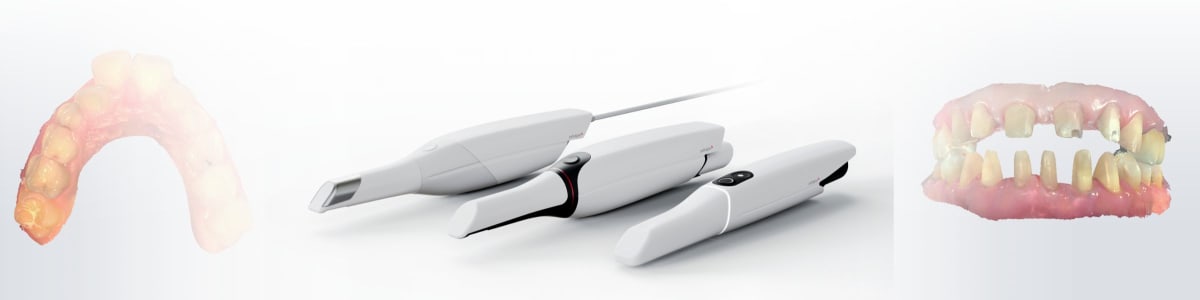
Intraoral scanners represent a revolutionary shift, allowing dentists to capture precise digital impressions of a patient’s mouth quickly and comfortably. This shift from the cumbersome alginate impressions to sophisticated 3D scanning technology not only improves the accuracy of diagnostics but also enhances the overall treatment planning process. These scanners provide high-resolution, interactive images that can be manipulated and analyzed in ways that were never possible with physical molds.
The integration of intraoral scanners into dental practices has not only expedited the diagnostic phase but also significantly increased the efficiency of creating dental restorations and orthodontic devices. With these advancements, dental professionals can now offer a more seamless, efficient, and comfortable experience, ensuring that treatments are not only faster but also more precise. This introduction of high-tech tools underscores a broader trend towards digital dentistry, where innovation meets patient comfort to redefine dental care standards.


 Shinning 3D Autoscan DS EX Pro Lab Scanner
 E2 | E3 | E4 Red Generation Lab Scanners
 3shape F8 Lab Scanner
Disclaimer
This article is for general information. Product specifications and features change with the manufacturer — confirm details with our team before you buy. Full disclaimer