

Introduction: From Ruby Laser to Modern Dentistry
Since the invention of the Ruby Laser in 1960 by Maiman and its first endodontic application by Weichmann in 1971, the role of lasers in dentistry has expanded rapidly. Today, lasers are not just experimental tools—they’re an established technology offering unique clinical and patient benefits.
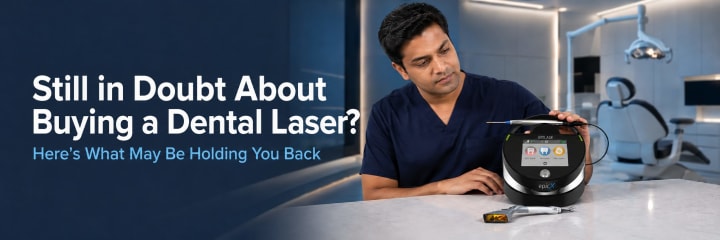
Among the many dental lasers available, Erbium lasers and diode lasers such as the Biolase Epic X Soft Tissue Laser are the most widely used in endodontics. Their ability to assist in access, cleaning, disinfection, and irrigation has made them an essential complement to traditional techniques.
Why Use Lasers in Endodontics?
The primary goal of endodontic treatment is effective cleaning and disinfection of the root canal system. Traditional methods face limitations, especially in:
- Cleaning lateral canals
- Managing complex anatomy
- Decontaminating apical ramifications
Lasers overcome many of these challenges by:
- Improving smear layer removal
- Enhancing canal disinfection
- Activating irrigants for deeper cleaning
- Reducing bacterial load by up to 99.9% (E. faecalis) according to multiple studies
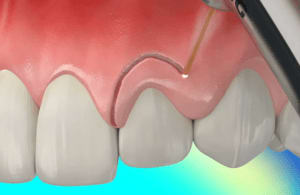
 Biolase Soft Tissue Laser – Epic X
 BIOLASE Waterlase iPlus All Tissue Laser
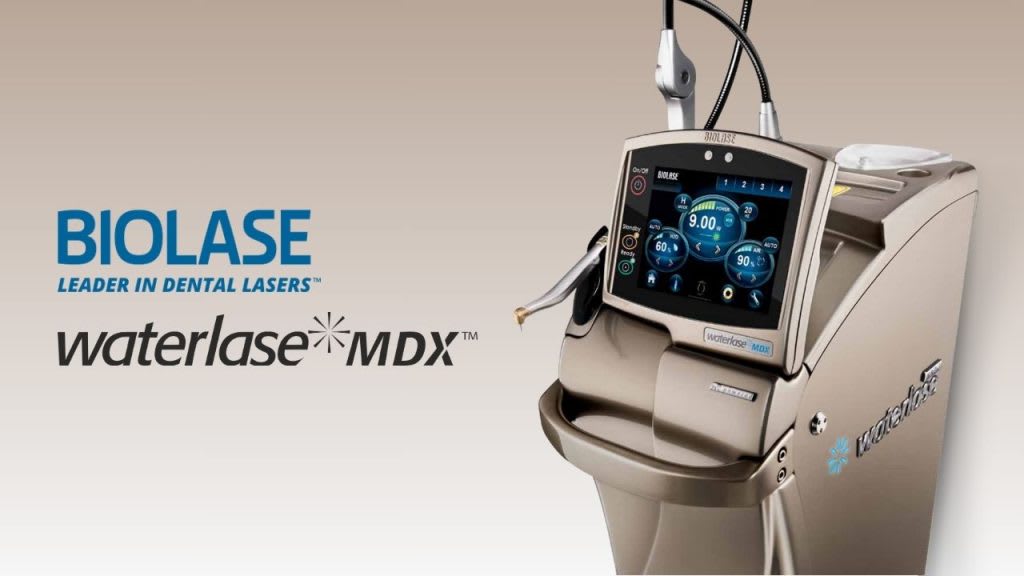 BIOLASE Waterlase MDX All Tissue Laser
Disclaimer
This article is for general information. Product specifications and features change with the manufacturer — confirm details with our team before you buy. Full disclaimer